March For Life Discussion: Introduction

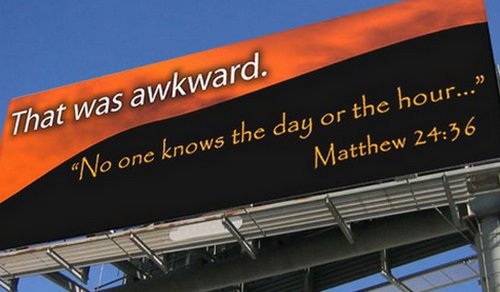
As my friends (and Twitter followers!) will know, I was in Washington DC last week for the March For Life. While I was there, I posted the following meme on this blog:

Screen Shot 2014-01-22 at 9.29.28 PM

The blog entry in which the picture was posted was shared on Facebook and received a certain amount of negative feedback from some of my friends. A lively discussion ensued. Since I had quite a full itinerary while on the East Coast, I didn’t really have much time to monitor the conversation thread over the course of the week.

My final night in Washington DC concluded with an Audrey Assad concert and a night of swing dancing, after which my mate John dropped me off at Reagan Airport to catch my 6:30am flight home. Now with some time on my hands, I was able to review the Facebook discussion thread…

Coming a little late to the party, it was clear that some tempers were already frayed. Although I offered a few comments on the thread, I decided that it would be good to sit down and write a series of blog posts, addressing some of the features of the discussion and some of the issues which were raised.

I’ll be posting these posts over the next few days…

“That Man May Become God…” (MP3)

Last week, Joseph Heschmeyer, who works for Holy Family School of Faith and is the author of the blog Shameless Popery, came to San Diego to speak to the Immaculata Young Adult Bible Study Group. His talk was on the subject of theosis, the title of his talk being “That man may become God”.

Theosis can seem like a daunting subject, but it really is essential to understanding Christianity and Joe gave a really fantastic presentation.  Afterwards, many people told me that it was one of the best talks they’d heard in ages…

That Man May Become God (Download)

When is a Hebrew not a Jew?

10-commandments-2

When you hear people speaking about the Bible, and especially the Old Testament, you will often hear the terms “Israelite”, “Hebrew” and “Jew” used interchangeably. However, strictly speaking, these terms are not identical.

An Israelite is simply anyone who is a descendant of the Patriarch Jacob. In Genesis 32:28, after wrestling a mysterious man, Jacob is given a new name, “Israel”, which literally means “He who strives with God”.

If you recall, Jacob/Israel had twelve sons. These would later form the heads of the twelve tribes of Israel. Well, eleven of these sons took great umbrage at their brother Joseph, so they sold him into slavery (those of you with siblings will understand this). Years later, Joseph rose to power in Egypt and, after being reconciled with his family, brought them all to Egypt.

The family of Israel flourished in Egypt for some time until a new Pharaoh rose to power who forced them all into slavery. It is at this time that Moses is called by God to rescue his people and lead them out of Egypt. It is during the period of the Exodus that the term Hebrew is used to refer to the population.

Once the people return to Israel, they enjoy a period of prosperity. However, eventually there is a split in the Kingdom between the northern and southern Kingdom. The Southern Kingdom was known as “Judah” and the inhabitants of that area known as Jews. Both the northern and southern kingdoms are conquered and people exiled. After the exile, the term “Jew” is used to refer to any of the Israelites who were left.

I hope that this explanation of terms and recap of Salvation History is helpful!

Beginning Ignatius’ letter to the Smyrnaeans

The final two letters of St. Ignatius which we read are both sent to the city of Smyrna.  The first letter is sent to the Church as a whole, the second specifically to their bishop, Polycarp.

This first letter is special for many reasons, but particularly because it contains Ignatius’ clearest declaration of faith about the Eucharist, as well as being the earliest recorded use of the phrase “Catholic Church”. Invented at Nicea?  I don’t think so.

Here is my abridged version of the letter:

“St. Ignatius of Antioch’s letter to the Smyrnaeans” PDF
“St. Ignatius of Antioch’s letter to the Smyrnaeans” Audio

Discerning Thoughts

As some of you know, since returning from England, I have embarked upon a period of discernment concerning the major areas of my life: vocation, location and occupation. I have been taking some time out to re-examine where I am, what I’m doing and asking if I’m where I’m meant to be…

In my early/mid-twenties I had set aside some time to specifically look at the question of ordained ministry. After getting frustrated and tying myself in knots, I received some good direction from a priest and after much prayer finally concluded that I was not being called to ordained ministry, or at least not for the time-being.

A lot of stuff has happened in my life since my mid-twenties, so it seemed like a good idea to return to this question.

Read more

Sunday Lectionary: September 11, 2011

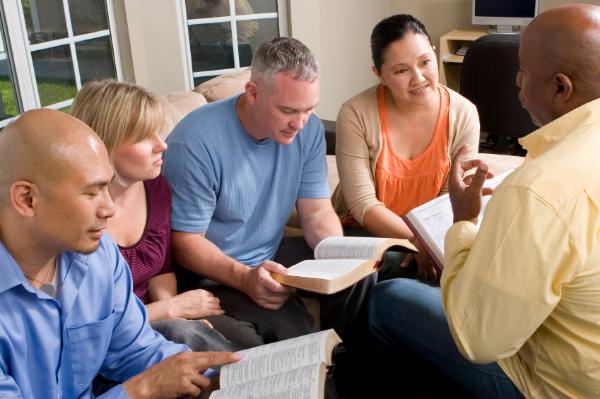
There’s not too much technical stuff to focus on in this week’s Mass Readings. My suggestion is to use the readings as a springboard to invite people in the study group to talk about their struggles, successes and failures in relation to that tough subject of forgiveness.

Twenty-Fourth Sunday of Ordinary Time

Last week’s Mass Readings concerned themselves with the restoration of brothers and sisters who have fallen into sin. This week’s Readings build on those of last week, focussing upon forgiveness, its centrality to the Gospel and its necessity in God’s covenant community.

“There is no offense, however serious, that the Church cannot forgive. There is no one, however wicked and guilty, who may not confidently hope for forgiveness, provided his repentance is honest. Christ who died for all men desires that in his Church the gates of forgiveness should always be open to anyone who turns away from sin” – Catechism of the Catholic Church, Paragraph 982


Reading I: Sirach 27:30-28:7

Our First Reading comes from the book of Sirach. This book is one of the books which was removed from the Bible by non-Catholics at the time of the Reformation in the 16th Century. Non-Catholics refer to this collection of books as the Apocrypha, whereas Catholics refer to them as the Deuterocanonical books. Other books in this collection include Tobit, Wisdom and 1 & 2 Maccabees.

The link between this First Reading and the Gospel passage is clear: if you would like the Lord’s forgiveness and mercy, you should treat others with forgiveness and mercy.

“Wrath and anger are hateful things, yet the sinner hugs them tight. The vengeful will suffer the LORD’s vengeance, for he remembers their sins in detail. Forgive your neighbor’s injustice; then when you pray, your own sins will be forgiven.

Could anyone nourish anger against another and expect healing from the LORD? Could anyone refuse mercy to another like himself, can he seek pardon for his own sins? If one who is but flesh cherishes wrath, who will forgive his sins?

Remember your last days, set enmity aside; remember death and decay, and cease from sin! Think of the commandments, hate not your neighbor; remember the Most High’s covenant, and overlook faults”

Possible Questions:

  • How does the author describe the sinner’s relationship to wrath and anger? What can we learn from this?
  • Practically speaking, what does this forgiveness look like?
  • There are several rhetorical questions in this passage. What point do they make?
  • What are the reasons the author gives for putting aside “wrath and anger” and “enmity”?

Read more

1 19 20 21 22 23 137