Music Monday: Love God Love People

I’ve been running in circles
Jumping the hurdles
Getting caught in that rush of doing so much
I’m feeling kinda worn out

All this checking the boxes
Trying to be flawless
Has me spinning my head, catching my breath
Too afraid to slow down

I tell myself to keep this up
That God wants more than just my love
But I’ve been complicating things
It’s just like me to overthink

Gotta keep it real simple, keep it real simple
Bring everything right back to ground zero
‘Cause it all comes down to this
Love God and love people (People)
We’re living in a world that keeps breakin’
But if we want to find a way to change it
It all comes down to this
Love God and love people

Oh, this is freedom (This is freedom)
The keys to the Kingdom (Hey-ey)
Knowing life will be found when love can be loud
‘Cause love is what it’s all about

Love is patient, love is kind
Rescues hearts and changes lives
Love is all we need to make things right
Gotta keep it real simple, oh
It’s really so simple, oh-ooh-oh-oh-oh-ohh

We’re living in a world that keeps breakin’ (Oh yeah)
But if we want to find a way to change it (Find a way, yeah)
It all comes down to this (Everything comes down to this)
Love God and love people (Whoa)

Keep on loving, keep on loving
Love God and love people
So keep on loving, keep on loving
It’s all about love
It’s how we change the world
Love God and love people

Guest Post: 7 Things I learned as a Neophyte

A friend of my posted the following text on her Facebook wall today. I thought it was so good I asked her if I could publish it here on the blog. One year since what she calls “the best day of my life”, here is her reflection on the seven things she learned as a Neophyte…

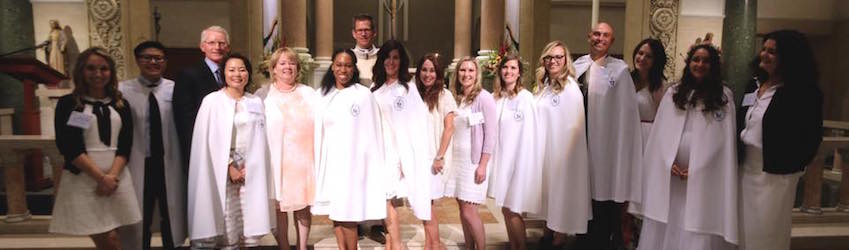
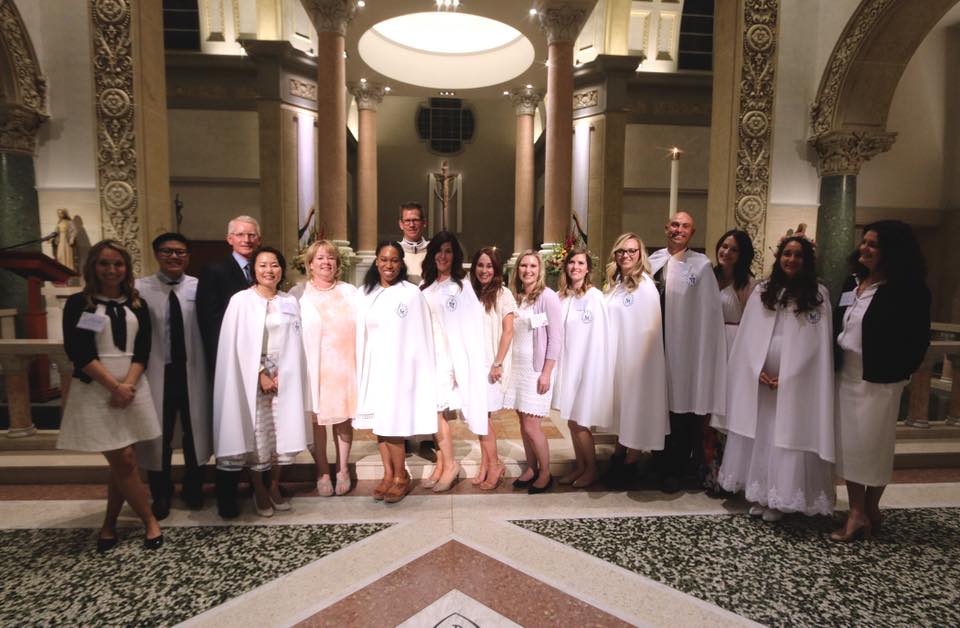
Neophite Group

To put it in simple terms, a Neophyte is a new convert to a religion. New Advent describes Neophyte as originating from the word neophytoi meaning the newly planted and incorporated with the mystic Body of Christ. I converted to the Catholic Church from Protestantism last Easter, and have decided to do a bit of reflection on my last year. It has been filled with revelation after revelation but here are the top seven that have had the most impact on me.

1. Hungering for the Eucharist

To put it simply, hungering for the Eucharist is a real thing. To some that may sound crazy or impossible and to others, you may know exactly what I mean. For those reading this who aren’t Catholic, the Eucharist is what we call the transformation of the communion bread and wine into the Body, Blood, Soul and Divinity of Jesus Christ. Early Church Father, St. Justin Martyr, writes in A.D. 151:

“For not as common bread nor common drink do we receive these; but since Jesus Christ our Savior was made incarnate by the word of God and has both flesh and blood for our salvation, so too, as we have been taught, the food that has been made into the Eucharist by the Eucharistic prayer set down by him, and by the change of which our blood and flesh is nurtured, is both the flesh and the blood of that incarnated Jesus.” [First Apology 66]

For further reference, read John 6 and watch “The Hour That Will Change Your Life.”

After partaking in my First Holy Communion at the Easter Vigil and the weeks following, I was somewhat stunned to find that I hungered for more of the Eucharist. I yearned for His Body and Blood, the peace that it brought, my human weaknesses obliterated by His strength, His divine life inside of me. This surreal and transcendent feeling is one I could never fully describe but pray all will come to experience.

Read more

Wise Words on Wednesday: To love is to be vulnerable

Heart

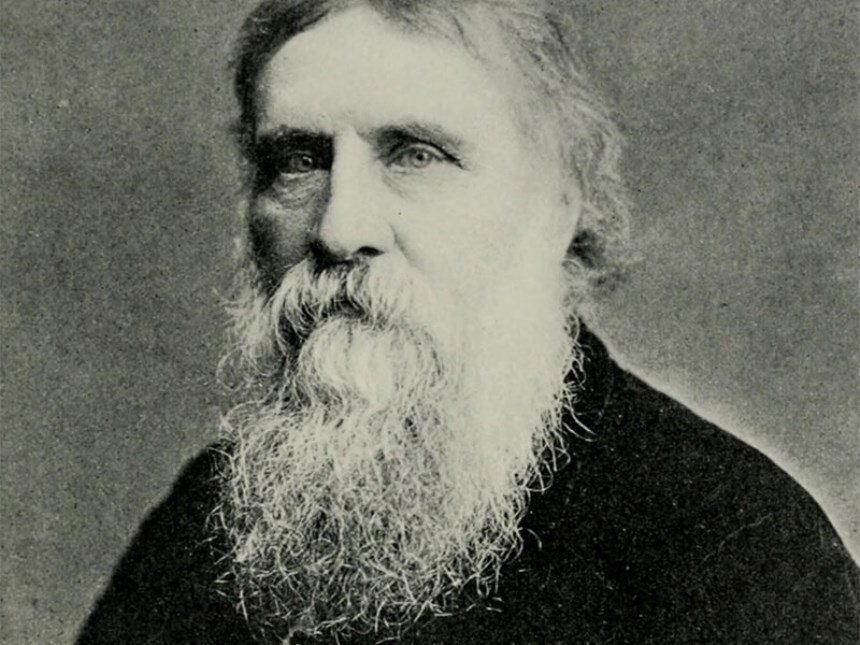
“To love at all is to be vulnerable. Love anything and your heart will be wrung and possibly broken. If you want to make sure of keeping it intact you must give it to no one, not even an animal. Wrap it carefully round with hobbies and little luxuries; avoid all entanglements. Lock it up safe in the casket or coffin of your selfishness. But in that casket, safe, dark, motionless, airless, it will change. It will not be broken; it will become unbreakable, impenetrable, irredeemable. To love is to be vulnerable.”

– C.S Lewis, The Four Loves

The Four Loves – Chapter 2 (Part 2: “Love of nature”)

Four Loves 2

Continuing my notes on The Four Loves, this is the first of two posts which continue my summary of Chapter 2 (“Likings and Loves for the subhuman”). In this post we will be looking at the section which Lewis devotes to the love of nature.

1. Some people have a special love of nature

For some people, perhaps especially for Englishmen and Russians, what we call “the love of nature” is a permanent and serious sentiment. I mean here that love of nature which cannot be adequately classified simply as an instance of our love for beauty.

(a) This is more than simply an appreciation of beauty

Of course many natural objects – trees, flowers and animals – are beautiful.

(i) Either of individual objects…

But the nature-lovers whom I have in mind are not very much concerned with individual beautiful objects of that sort. The man who is distracts them. An enthusiastic botanist is for them a dreadful companion on a ramble. He is always stopping to draw their attention to particulars. N

(ii) …or of vistas

or are they looking for “views” or landscapes. Wordsworth, their spokesman, strongly deprecates this. It leads to “a comparison of scene with scene”, makes you “pamper” yourself with “meagre novelties of colour and proportion”.

(b) For these lovers of nature, it is about the “Spirit” of the place

While you are busying yourself with this critical and discriminating activity you lose what really matters – the “moods of time and season”, the “spirit” of the place. And of course Wordsworth is right. That is why, if you love nature in his fashion, a landscape painter is (out of doors) an even worse companion than a botanist. It is the “moods” or the “spirit” that matter.

(c) Which is why beauty itself per se is the focus

Nature-lovers want to receive as fully as possible whatever nature, at each particular time and place, is, so to speak, saying. The obvious richness, grace and harmony of some scenes are no more precious to them than the grimness, bleakness, terror, monotony, or “visionary dreariness” of others. The featureless itself gets from them a willing response. It is one more word uttered by nature. They lay themselves bare to the sheer quality of every countryside every hour of the day. They want to absorb it into themselves, to be coloured through and through by it.

Read more

1 2 3 11