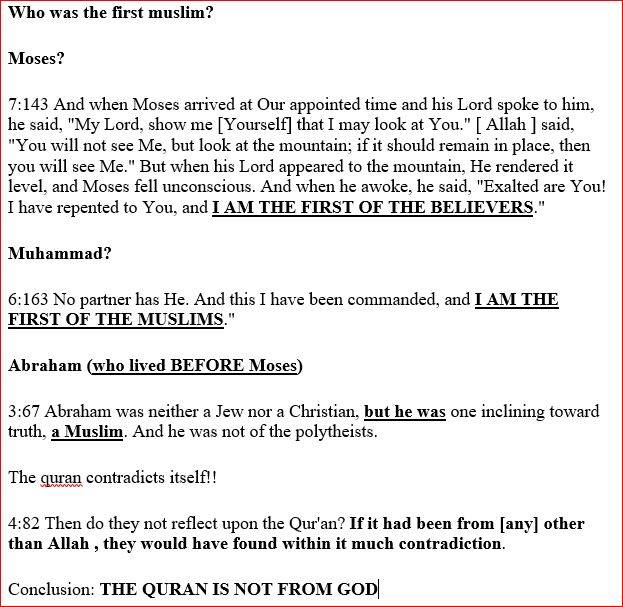
I was in an apologetics discussion group and someone posted the following:
I told the members of the group that I didn’t like this line of argumentation. Several people responded by saying that since the Qur’an claims that there are no contradictions within its pages, the passages cited above were clear evidence that the book is not of divine origin.
In reply, I explained that they were interpreting the Qur’an in a way which forced a contradiction and then declared it to contain contradictions. I pointed out that they would never accept a Muslim exegeting the Bible in this way.
Even without digging into the context of these passages from the Qur’an, it seemed immediately obvious to me that the statements could very easily be harmonised by simply recognising that “first of” can mean “foremost among”. This would mean that, according to the Qur’an, Moses declared himself to be foremost among the believers of his time and Muhammad made the same claim for himself in his own generation. Interpreting the passages in this way eliminates the contradiction.
There are many apparent contradictions in the Bible, but careful exegesis can show this not to be the case. If you wouldn’t accept bad methodology when interpreting the Bible, you shouldn’t force it on the Qur’an….
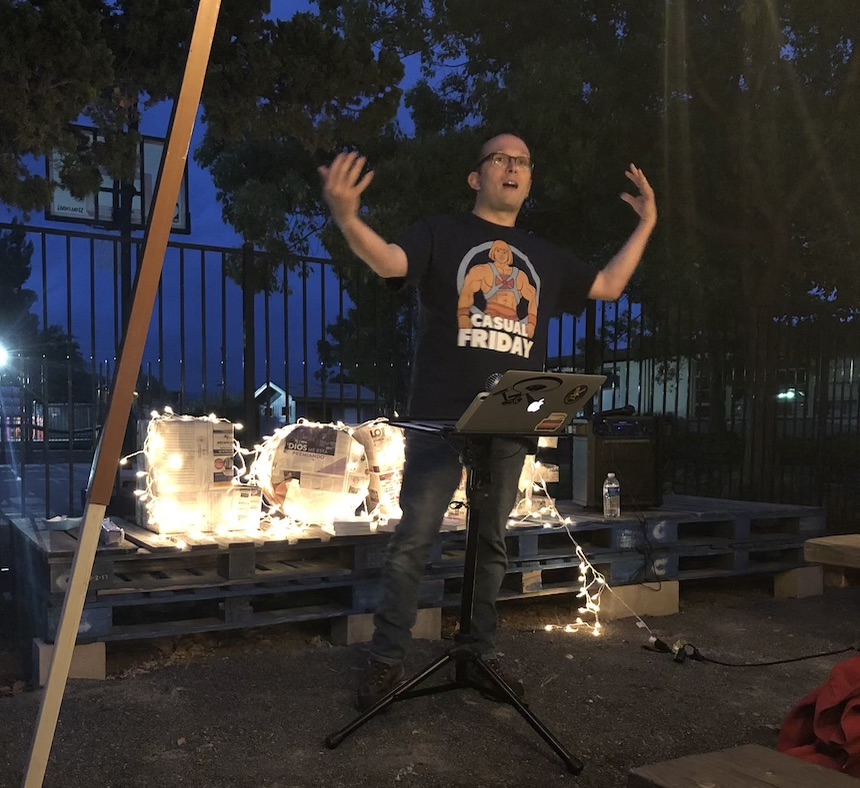
Last week I gave a talk on apologetics at a bonfire in El Cajon on the subject of apologetics, the follow-on talk from “Evangelization for the terrified”. It turns out I wave my hands about a lot when I talk…
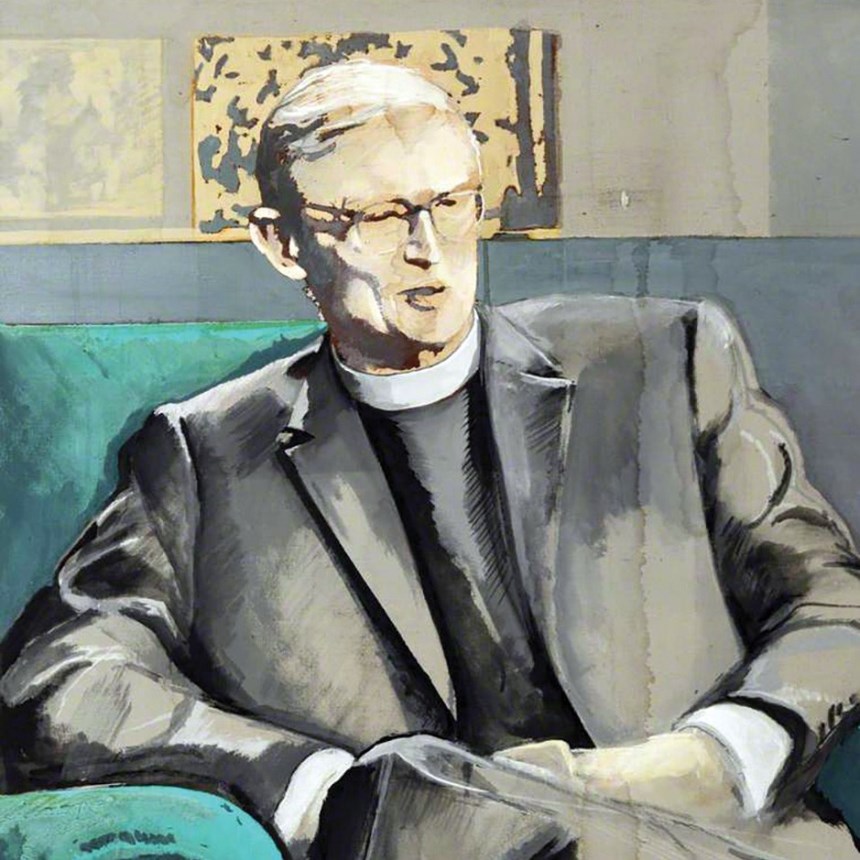
“It is commonly said that if rational argument is so seldom the cause of conviction, philosophical apologists must largely be wasting their shot. The premise is true, but the conclusion does not follow. For though argument does not create conviction, the lack of it destroys belief. What seems to be proved may not be embraced; but what no one shows the ability to defend is quickly abandoned. Rational argument does not create belief, but it maintains a climate in which belief may flourish.”
Austin Farrer, Theologian and friend of C.S. Lewis
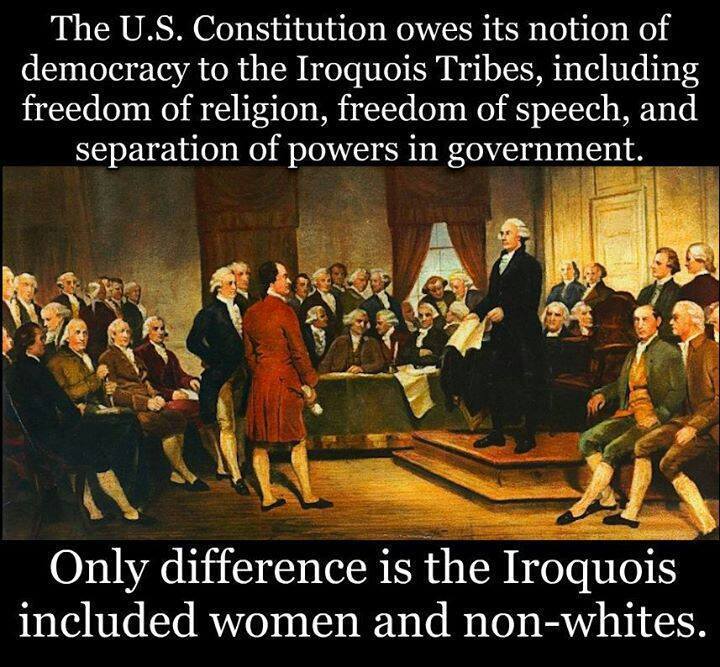
A few weeks ago, a friend on Facebook posted this:
This just didn’t seem right, so I asked him what evidence he had to back up this assertion. Several weeks later my friend still hasn’t responded to my request for evidence…
I went and looked at a Fact-Checker website which assessed that it was Mostly False.
People are often afraid of doing apologetics, but honestly most of the time you’re just asking some basic questions, particularly “Do you have any evidence to back up that claim?”. If none is presented, it betrays that the opinion is primarily held because the person would like it to be true, rather than as a result of conscientious study.
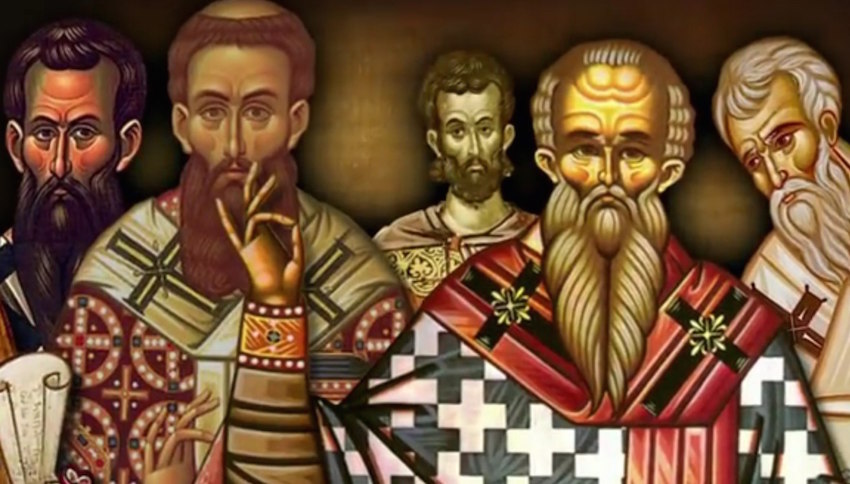
In this week’s episode, we return to the Early Church and discuss the successors to the Apostles, known as the Early Church Fathers. Somehow Nessa manages to talk about relationships… :-/
* I mentioned my article I’ve written called “Before 300” where I outline 21 documented beliefs of Christians prior to the rise of the Emperor Constantine:
Part #1: The Church
1. The Church is Catholic
2. The Church has a three-fold structure of leadership
3. There is unity through episcopal authority and schism is evil
4. Sacred Tradition is authoritative
5. Worship is liturgical
6. There is Apostolic Succession
7. Peter has Primacy
Part #2: Salvation & Sacraments
1. The Eucharist is a Sacrifice
2. Jesus is truly present in the Eucharist
3. The Eucharist is taken to the sick
4. Infants are to be baptized
5. Baptism actually washes away sin
6. Priests forgive sins
7. Works are involved in salvation
Part #3: The Saints and Our Lady
1. Prayers are said for the dead
2. There is purgation after death
3. Relics are venerated and Saints are celebrated
4. Mary is the New Eve
5. Mary was a perpetual virgin
6. Mary is the Mother of God
7. Prayers are made and songs are sung to Mary
1. Antiquity Did this person live sometime between the time of Christ and the end of the 8th Century? This span of time is called the “Patristic Era” (“Patristic” simply means relating to the Early Church Fathers).
2. Sanctity Did this person live a life of outstanding holiness? Is this person a canonized Saint?
3. Orthodoxy
Did this person hold heretical views? Tertullian and Origen are two early Christians who are typically disqualified here due to some of their erroneous beliefs. We therefore instead give them the title of “Early Ecclesiastical Writers”.
4. Church Recognition and Approval Has the Church and Christians throughout history generally referred to this person as a Father of the Church?
* There were about one hundred Early Church Fathers.
* The Early Church Fathers of the 1st and 2nd Centuries are usually called the “Apostolic Fathers” since they were born during the era of the Apostles.
* We then briefly spoke about three Apostolic Fathers:
1. St. Clement of Rome
* A successor to St. Peter as Bishop of Rome
* He wrote a letter to the Church at Corinth (AD ~96) in response to the ejection of their clergy
* In the letter he gives many Old Testament examples of those who flaunted God-given authority and who suffered the consequences
* In a particularly beautiful passage reminiscent of 1 Corinthians 13, Clement exhorts the Corinthians to love. I had a small rant about 1 Corinthians 13, pointing out that Paul is speaking of “agape” love rather than “eros” love.
2. St. Ignatius of Antioch
* A successor to St. Peter as Bishop of Antioch
* Taken to Rome in chains (AD ~107) to be thrown to wild animals
* Wrote seven letters, one to St. Polycarp (see below), several to nearby Churches and one to the Church in Rome
* In his letter to the Roman Church he begs them to not interfere with his coming martyrdom: “I beseech of you not to show an unseasonable goodwill towards me. Suffer me to become food for the wild beasts, through whose instrumentality it will be granted me to attain to God. I am the wheat of God, and am ground by the teeth of the wild beasts, that I may be found the pure bread of God”
* In the account of his martyrdom, the Governor tells Polycarp to say “Caesar is Lord”, but Polycarp knew that “Christ/Jesus is Lord”. He was told to “revile Christ”, but he responded: “Eighty-six years have I served Him, and He never did me any wrong: how then dare I blaspheme my King and my Saviour?”
* Prior to being burned alive, Polycarp gives a prayer which sounds an awful lot like a Eucharistic Prayer.
* As he was burned, people reported the smell of baking bread.
* Some Jews claimed that the Christians might start worshipping Polycarp after his death. The author of the Martyrdom account says the following: “They did not realize that we could never abandon Christ, He who suffered for our salvation – the blameless one for sinners! – or worship any other. Him we worship as being the Son of God, the martyrs we love as being disciples and imitators of the Lord; and deservedly so, because of their unsurpassable devotion to their King and Teacher. May it be our good fortune, too, to be their companions and fellow disciples!”
* After his death, the Christians gathered Polycarp’s relics and and interred them in a fitting place: “There the Lord will permit us, as far as possible, to assemble in rapturous joy and celebrate his martyrdom – his birthday – both in order to commemorate the heroes that have gone before, and to train the heroes yet to come…”
* In last week’s episode, we spoke about another Early Church Father, St. Basil of Caesarea.
* If you would like to read what the different Fathers wrote about the Sunday Gospel, you can look it up using the Catena Aurea (“Golden Chain”), a collection of patristic commentary which was assembled by St. Thomas Aquinas. You can also get it on your mobile!

 In my talks,