Restless Pilgrim Tour 2017
 Now that I’ve finished the Camino, the most common question I hear is: what are you going to do now?
I still have a couple more weeks in England, but after that I will be flying back to the United States in time for Thanksgiving. I’m going to be based in San Diego but I’m planning to do a little more travelling. I don’t have the moniker of “Restless Pilgrim” for nothing…
I’m intending to travel around the States, seeing friends and revisiting some of my favourite cities, as well as exploring some of the places which have remained too long on my “To Do” list…
The goal of these trips isn’t simply to be a tourist. I will have to get a job again at some point, so I will be talking the opportunity to meet with local companies and possibly do some job interviews. However, the thing I’m really looking forward to is serving at local churches along the way.
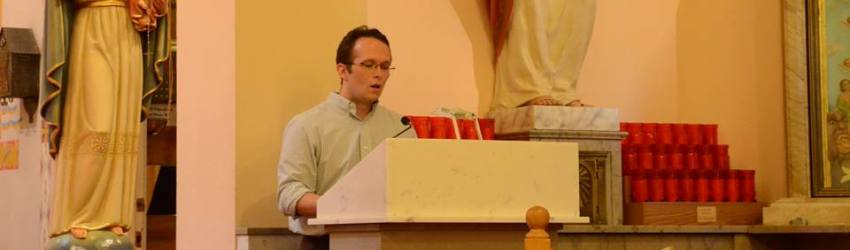
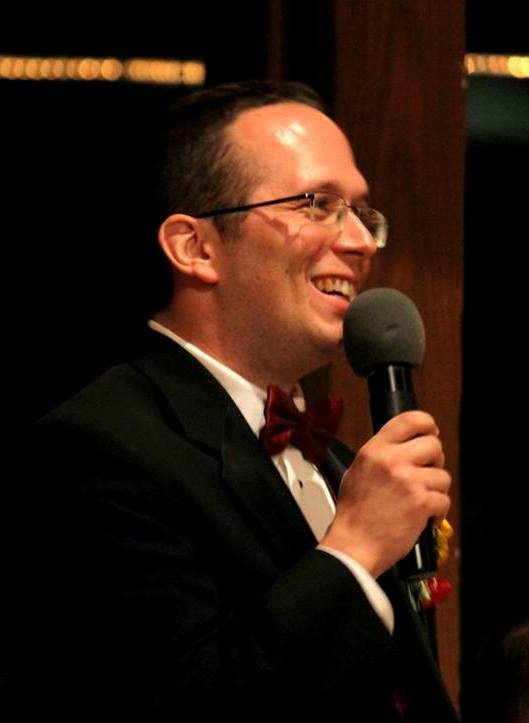
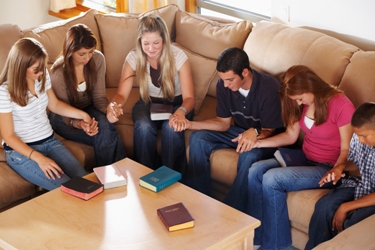
In the past I’ve spoken at “Theology On Tap” (Example #1 | Example #2), led Bible studies and organized swing and salsa evenings. I’d love to make myself useful and offer my services in these areas, free-of-change, as I travel around the States. I don’t need a stipend or travel expenses.
So, if you’d like me to come to your parish, please forward this link to the relevant person at your parish and send me an email. It could be at Diocese Young Adult event. It could be at a parish mission or at your parish’s Bible Study or discussion group. Let me know where you are in the States, and I’ll do my best to make sure that I can be in your part of the country at the right time! References are available upon request.
Catholic Life
Mass Appeal: The Liturgy is the greatest thing ever!
Do you find Mass dull? In this talk I explain why the Mass is amazing and what you can do to get more out of it.
Social Media & Your Soul
How can we use Social Media and the Internet without being used by them?
How I met your (Blessed) Mother (Listen)
I will be talking about how I came to know Mary, even after years of struggling with the Church’s teaching on the Blessed Mother. In this talk I will be offering some suggestions on how we might grow in our love for Mary and come to understand her role in Salvation History more deeply.
Evangelism
Catholics Come Home: Drawing the lapsed back to the Church
Based on a previous blog series, here I tell a little bit of my own story and discuss what you might do to try and draw people back to the Church.
Evangelization for the terrified (Listen here)
Jesus told his disciples to go out to the whole world and share the Good News. If it’s “Good News”, why does that seem so scary?! In this talk I explain why we shouldn’t be shared of doing evangelization and give some very practical tools for speaking to your friends and family about the Faith.
Apologetics for the confused
What do you say when someone asks you why you’re Catholic? In this talk I go through a few key principles to employ when being called upon to defend what you believe.
Knock, knock. Who’s there?
What do you do when a Jehovah Witness or Mormon comes to your door? Over the course of this talk, I explain the origins of these groups and give some guidance on how to speak with them in a constructive way.
No God but God: An introduction to Islam
Approximately 23% of the world’s population identify as Muslim, but many Christians know relatively little about Islam. In this talk I provide an overview of the religion, as well as its similarities and dissimilarities to Catholicism.
Church History
The Worship of the Early Church (Listen here)
What did the first Christians do when they gathered together? If you could travel back in time to the end of the First Century and attend a Christian gathering, would you feel out-of-place?
Was the Early Church Catholic?
I’ll trace the roots of Catholic thought, theology and practice in the first few centuries of Christianity.
Blood & Ink: How the Early Church conquered the world (Listen here)
How did a small Jewish sect, started in the First Century, whose founder was publicly executed, manage to conquer the might of the Roman Empire? In this talk, I explain how the first Christians witnessed to Jesus both in their writing, lives and martyrdom, thereby winning the world for Christ.
Solving today’s problems with ancient wisdom
In this talk, I look at how the problems which face the Church today can be addressed using the wisdom of the first Christians, the Early Church Fathers.
Mary and the Early Church
Come to appreciate the Mother of God through the witness of the Early Church.
Women in the Early Church
We often hear about the Church Fathers, but were there mothers too? In this talk I look at the lives of some of the most important female figures in the Early Church.
Scripture
Reading Sacred Scripture for all its worth (Listen here)
How do Catholics read the Bible? What can you do to get the more out of Scripture at Mass? If you want to grow more familiar with the Biblical texts, where do you start?
Big Picture Bible: Salvation History in 60 minutes
If someone asked you to explain the overarching story of the Bible, what would you say? In the space of an hour I run through the story of salvation history and help give a framework for making sense of individual stories.
Hidden Treasure: How the Old Testament is unveiled in the New (Listen here)
This is an exploration of “Biblical Typology”, the way of reading Scripture which was developed by the Early Church Fathers, seeing in the Old Testament foreshadowings of the events of Christ, His Mother and the Kingdom of Heaven.
References are available on request




 This week in the