Sunday Lectionary: Called, sanctified and sent
Solemnity of the Nativity of Saint John the Baptist: 24th June, 2012
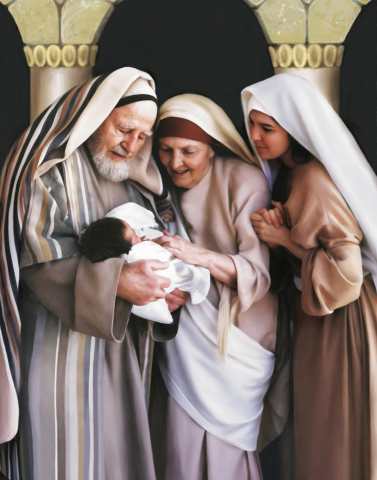
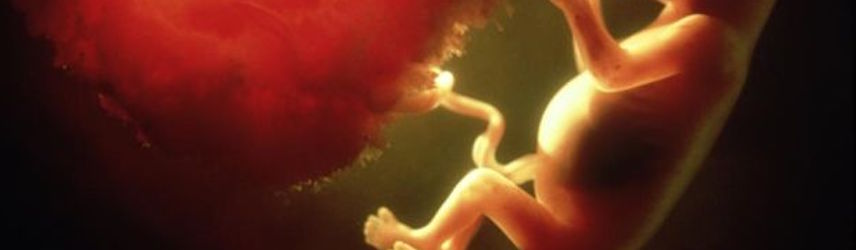
After being “fearfully, wonderfully made…knit…in [his] mother’s womb”, we read in this week’s Gospel of how Elizabeth gave birth to a son and how he was named “John”. It’s a solemnity again! This week we celebrate the birth (“nativity”) of the one who would be the herald of the coming Messiah, John the Baptist:
In those days came John the Baptist, preaching in the wilderness of Judea, “Repent, for the kingdom of heaven is at hand.” For this is he who was spoken of by the prophet Isaiah when he said,
“The voice of one crying in the wilderness: Prepare the way of the Lord, make his paths straight”
Now John wore a garment of camel’s hair, and a leather belt around his waist; and his food was locusts and wild honey. Then went out to him Jerusalem and all Judea and all the region about the Jordan, and they were baptized by him in the river Jordan, confessing their sins. – Matthew 3:1-6
As we celebrate Mass this week, let us pray for courage to step out boldly as prophets, to speak truth to our world and to prepare the way of the Lord.
The baptized have become “living stones” to be “built into a spiritual house, to be a holy priesthood.” By Baptism they share in the priesthood of Christ, in his prophetic and royal mission… “[They] must profess before men the faith they have received from God through the Church” and participate in the apostolic and missionary activity of the People of God. – Catechism of the Catholic Church, Paragraphs 1268 and 1270
 Today I’d like to talk about one of the songs from a recent album of my favourite contemporary Christian band,