Things to do in London
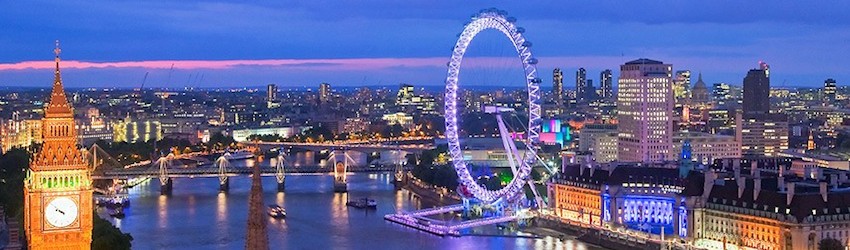
I will be going to London later this year. In preparation for that, I decided to compile a list of my favourite things to do in my home country’s capital city…
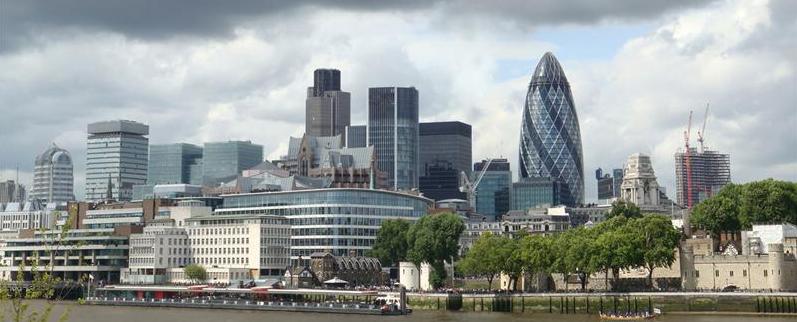
"We are travellers…not yet in our native land" – St. Augustine
I will be going to London later this year. In preparation for that, I decided to compile a list of my favourite things to do in my home country’s capital city…
No, not that Pope. There is a priest in Washington DC whom I have long regarded as my Virtual Chaplain, completely unbeknownst to him!
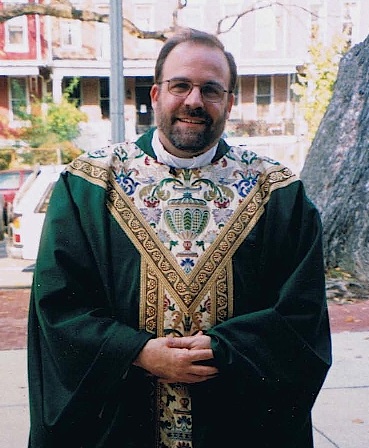
During my years of wandering I lacked a spiritual director or even a regular parish (this blog isn’t called “Restless Pilgrim” for nothing!). During those wilderness years I had a three month stint in Washington DC and, towards the end of my time there, I discovered Msgr. Pope’s parish.
I greatly enjoyed my visits – my exposure to gospel music until then had been limited, but I loved the enthusiastic singing I heard there. What impressed me most though was the preaching…
Msgr. Pope’s homilies were of good length, exegetical, impassioned and practical. I had often been critical of the standard of homilies in the Catholic world and hearing this kind of preaching was a breath of fresh air.
After my visa expired I left Washington DC and continued my wanderings around England and the USA. Fortunately, I soon discovered Msgr. Pope’s blog, together with his homily recordings and podcast feed. This meant that whether I was living in London, San Diego or somewhere in between, I received the same teaching. It was like having a regular pastor again 🙂
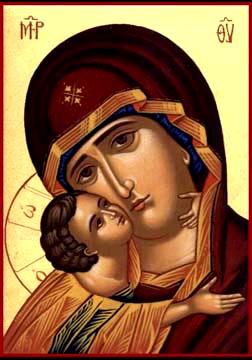
In a previous post I explained the meaning of the text “IC XC” which is found in Eastern icons. I thought today I would do a quick follow-up to explain the letters which commonly appear around the Theotokos…
“The Theotokos” (pronounced “th-ay-oh-to-kos”) is the name that Eastern Christians (both Orthodox and Catholic) typically give to Jesus’ mother, Mary. It was also the word used in the proclamation of the Council of Ephesus in 431 AD. In the Western Church, “Theotokos” is often loosely translated into English as “Mother Of God” (whereas it literally means “God-bearer”).
Giving Mary the title “Mother of God” has certainly caused some heated arguments in the history of Christianity. Some have mistakenly seen this title as an elevation of Mary to a height even greater than that of Jesus (if such a thing were possible!). Yet the title “Mother Of God” is really much more about Jesus than Mary, since to say that Mary is not the mother of God is to say that she gave birth only to His humanity, which would indicate some kind of rupture between Jesus’ human and divine natures. That’s kind of a weighty topic…I think I’ll come back to that another time….
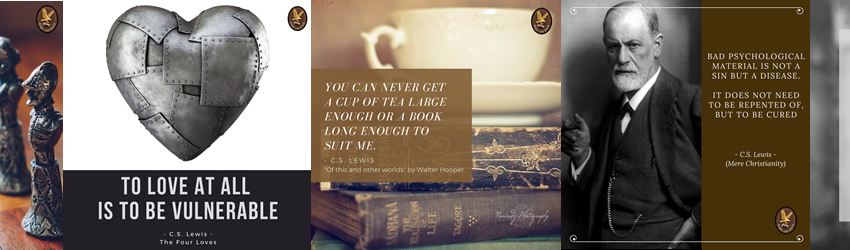
So, after years of swearing I’d never have one, a couple of months ago I signed up for an Instagram account. As part of “The Eagle and Child” podcast, each week we will be posting images with quotations from C.S. Lewis.
Follow us @pintswithjack:

My course through the Qur’an continues today with chapters 86, 54 and 38. I’m tackling fewer chapters in this post because Surah 38 is quite long and I have quite a lot to say about it…
Surah 86 – “The morning star” (At-Tariq)
This chapter begins by reminding man from what he was made. In the same way that Allah created them from nothing, He is able to give them life again on Judgement Day. The authority of the Qur’an is reasserted, as is God’s control over the events of life.
Questions
Q1. What does aya 4 mean when it says “There is no soul but that it has over it as a protector”? Is it saying that every soul has a protector? If so, is this Allah or an angel?
Q2. Does semen really emerge “from between the backbone and the ribs”? sperm production is far lower than that.
Sorry it’s a bit late this week – I had two big posts that I wanted to write at the weekend and I kinda ran out of time… :-/
Last week we heard Jesus’ parable of the two sons and the vineyard. The Readings this week also focus around the image of the vineyard…
The bold refrain of the psalm this week is “The vineyard of the Lord is the house of Israel”. In our First Reading this image of the vineyard is used to describe how God gave Israel every possible blessing, yet all these graces were scorned. For this, Israel will have to pay the price. Yet, in our Gospel we hear how, through the rejection of Christ, the Gentiles come to have a share in God’s Kingdom.
For this week’s Readings I would suggest reading the Psalm first since it clearly establishes the metaphor of the vineyard and explains Israel’s exodus in those terms. I would then move on to the First Reading to hear how this metaphor is also used to describe God’s coming judgement. Next, I would read the Gospel as it shows how Jesus uses this familiar image to predicts His own death. I would optionally conclude with the Second Reading.