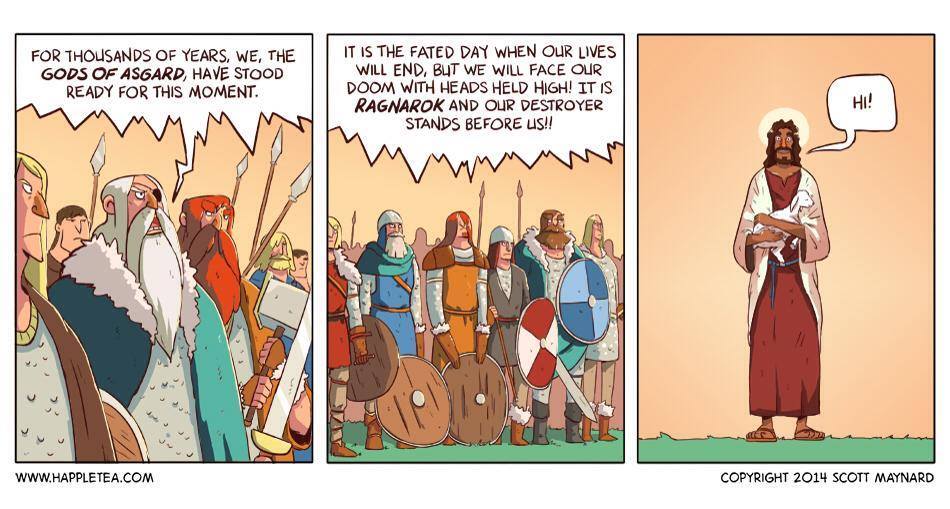
Friday Frivolity: Asgard Falls
 dd
dd
"We are travellers…not yet in our native land" – St. Augustine
dd
Happy Thanksgiving!*
* No, Thanksgiving isn’t celebrated in England, but since I live in America, I do. I’m happy to celebrate anything if it means I get the day off work 🙂
 A Restless Pilgrim favourite, Trent Horn, recently engaged in an abortion debate on Atheist Analysis:
While enjoyable, I thought the pro-choice position was especially weak. Honestly, I’ve seen far better defenses of abortion. During the Q&A, Trent’s opponent repeatedly responded with “I don’t know”, “I’m not sure about that” etc. While this shows humility and that’s commendable, it doesn’t really speak highly for your cause if you’re unable to offer a rational, thought-out responses to simple questions…
“Q” is the name given by theologians and historians to the hypothetical document which would account for the common material found in the Gospels of Matthew and Luke, but which are not found in Mark:
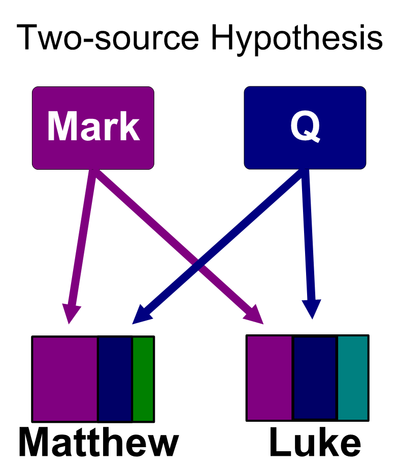
Although I think the existence of the Q source is a distinct possibility, I’ll admit that I’ve grown very weary with all the modern scholarship which takes its existence as Gospel (so to speak) and who seem to enjoy developing more and more elaborate theories concerning its existence.
Given this, I simply have to share the following quotation which Joseph Heschmeyer put up a quotation on Facebook yesterday:
“I must admit, though, that the affirmation of Q’s existence comes close to exhausting my ability to believe in hypothetical entities. I find myself increasingly skeptical as more refined and detailed theories about Q’s extent, wording, community, geographical setting, stages of tradition and redaction, and coherent theology are proposed. I cannot help thinking that biblical scholarship would be greatly advanced if every morning all exegetes would repeat as a mantra:
“Q is a hypothetical document whose exact extension, wording, originating community, strata, and stages of redaction cannot be known.” This daily devotion might save us flights of fancy that are destined, in my view, to end in skepticism.”
– J.P. Meier, “A Marginal Jew: Mentor, Message, and Miracles”


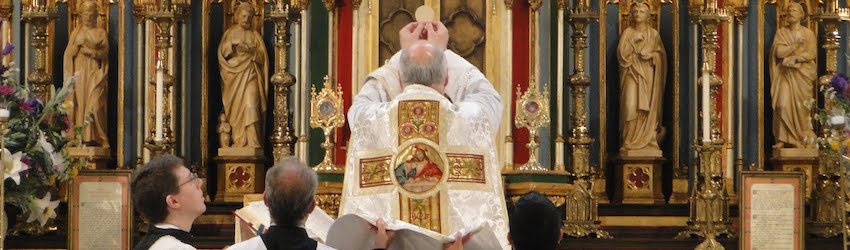
I’m going to take a break from my “Quick Apology” series concerning Mary and Saintly Intercession. Today’s “Quick Apology” will be a very brief and concern the Eucharistic liturgy…
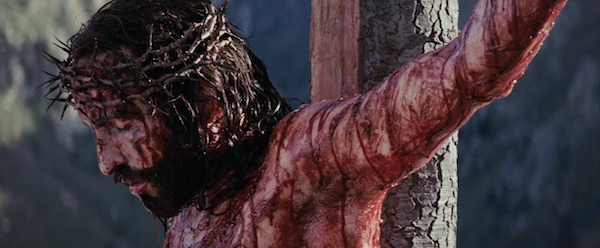
The Catholic Church teaches that, in the Eucharist, the sacrifice of Calvary is made present again. In response to this, some Protestants object in this way:
“How can you say the sacrifice of calvary is made present again? The Epistle to the Hebrews says that His sacrifice was once for all. He’s no longer bleeding…”
Obviously, there is a lot that could be said in response to this, but how might we respond briefly?
In reply to this objection, sometimes I challenge Evangelicals over the very language they use in talking about salvation. Don’t they often talk about “being washed in the blood”, upon accepting Christ as their personal Lord and saviour? However, given the objection they raised above, isn’t there a problem? Hasn’t Jesus stopped bleeding? Wasn’t His sacrifice 2,000 years ago?
When Evangelicals talk about “being washed in the blood”, they’re talking about the the grace of the cross being applied to their souls in time in a real, substantial way. Given this, is the idea of the Eucharist being a participation in Calvary really that alien?

 As promised, here is the video of Meg‘s talk at the Goretti Group, entitled “How Men & Women Love Differently”…
A while back, Meg came and spoke at the Goretti Group. I’ll be sharing the video next week, but in the meantime here’s a talk she gave on the Eucharist: