Friday Frivolity: Out Of The Mouths Of Babes
"We are travellers…not yet in our native land" – St. Augustine

My notes are a little shorter this week because we’re going to be spending less time on the readings this week in the JP2 Group.
Reading 1: Wis 12:13, 16-19
Scripture:
There is no god besides you who have the care of all, that you need show you have not unjustly condemned. For your might is the source of justice; your mastery over all things makes you lenient to all. For you show your might when the perfection of your power is disbelieved; and in those who know you, you rebuke temerity. But though you are master of might, you judge with clemency, and with much lenience you govern us; for power, whenever you will, attends you. And you taught your people, by these deeds, that those who are just must be kind; and you gave your children good ground for hope that you would permit repentance for their sins.
Suggested Questions:

Seriously, I don’t find this stuff – it finds me.
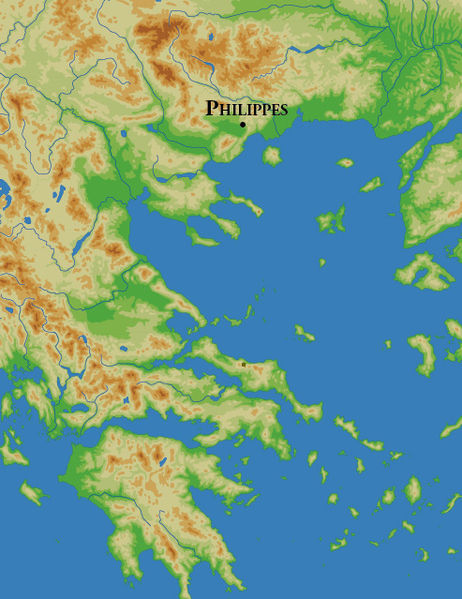 One of the reasons I haven’t done much proper writing on this blog recently is that I have been preparing our next study in the JP2 Group. In an effort to increase people’s confidence in approaching the Bible, we are going to be working through one of the shorter books of the New Testament in its entirety.
After selecting two books, I put it to a vote and the winner was Paul’s letter to the Philippians. I love this letter of Paul’s, it’s just so beautiful and upbeat.
It’s going to be a work-in-progress, but I’ve decided to put my notes for this study up on this blog. I’ll be updating them as we go through the text. So far I’ve got the first session completed, up to verse eleven of the first chapter.
There’s a permanent link to these notes in this blog’s side panel, but you can also get to the completed sections by clicking on the links below:
Today’s my baptism anniversary. I had planned to do a longer post, but I’m busy preparing a study of Philippians which begins tomorrow, so instead I’ll be brief… 😉

Make sure it's got a rational soul...
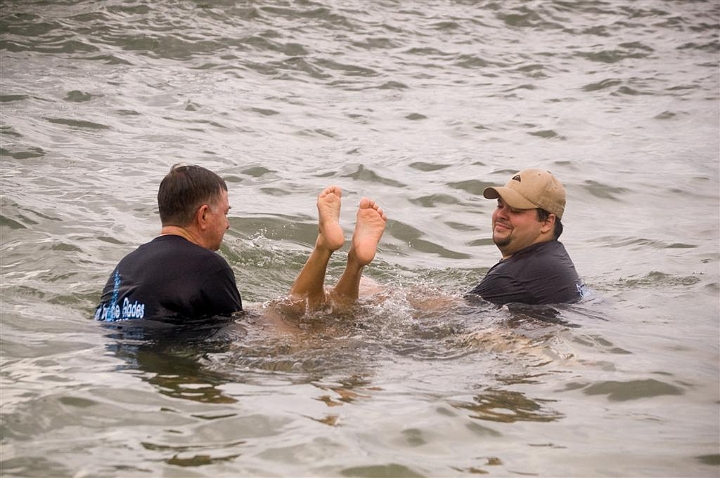
Make sure it's thorough...
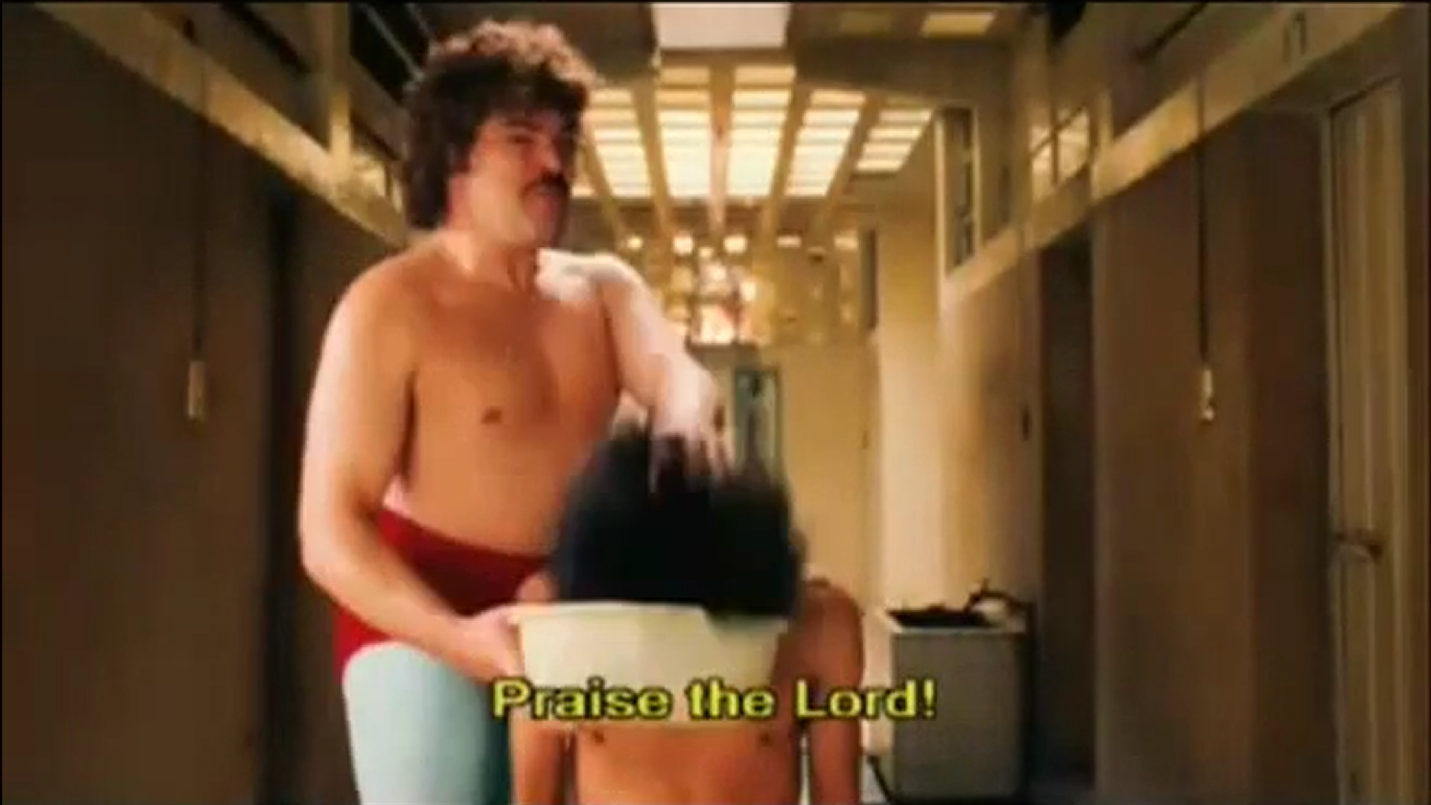
...and who says it has to be voluntary?
Now that the craziness of Independence Day has passed, it’s time to calm down and listen to something beautiful:
I was fortunate enough to be present at the Mass at Clifton Cathedral in Bristol when this video was taken. It was written by a friend of mine, Mr. Joseph Meigh, as his final composition piece before heading to university.
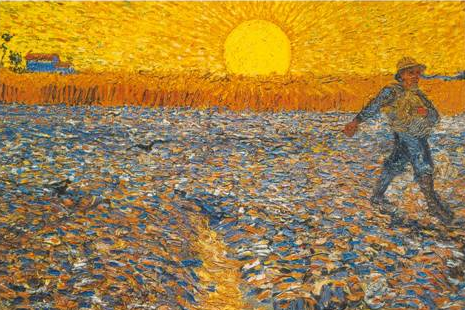 15th Sunday In Ordinary Time: 10th July, 2011
Each week I produce notes for the upcoming Sunday Gospel for the Bible Study at St. John’s.
It’s a mixture of my own random thoughts, combined with what I’ve found in commentaries, sermons. I’m toying with the idea of publishing them here each week, so this is a bit of a test-drive…
If you think you’d find it helpful if I posted this each Monday evening, please let me know.
The Readings for this week focus around Jesus’ “Parable of the Sower”…
Read more