Minor Revisions
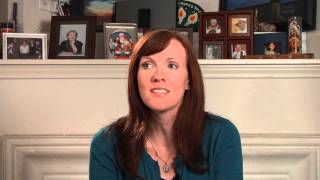 A while ago I wrote a post about Jennifer Fulwiler‘s new TV show “Minor Revisions”. Well, it turns out that the first episode is now up on YouTube:
"We are travellers…not yet in our native land" – St. Augustine

A while ago I wrote a post about Jennifer Fulwiler‘s new TV show “Minor Revisions”. Well, it turns out that the first episode is now up on YouTube:

As the Christmas consumerism reaches fever pitch, I thought it would be a good time to share the following George Carlin video. WARNING: if you’re unfamiliar with Carlin, his language gets rather “colourful”…
I would like to dedicate this video to all those I’ve helped move in 2012… 😉
Have you ever wanted to get a better grasp of Early Church History, but not really known where to start? Do those thick books on Church History and Patristics intimidate you? Well, if so, I’d thoroughly recommend you check out Fr. Michael Witt’s website.
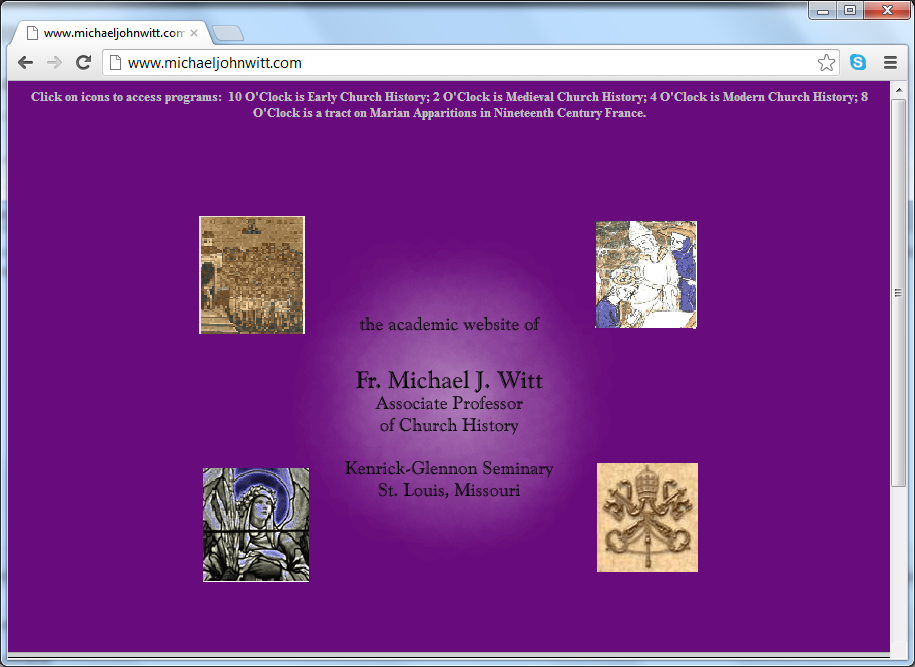
Unfortunately, the website is rather in need of a facelift, but the content is superb. Fr. Witt divides Church history into three sections: Early Church, Medieval and Modern. In each section there are MP3s of Fr. Witt and his co-host, Teresa, discussing each of these periods of history.
I first discovered Fr. Witt’s site while I was living in London and, over the course of a year’s worth of journeys on public transport I managed listened to the entirety of the Early Church library. Hmmm…maybe it’s time to do that again…
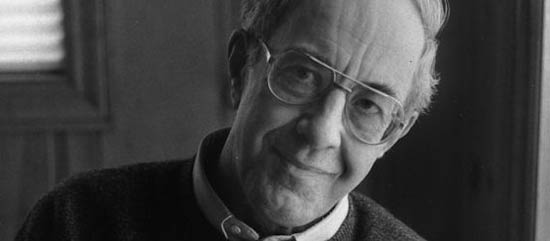
“[My friend and I] spoke about the existential loneliness we are both experiencing at this time in our lives. This loneliness stems not from a lack of friends, problems with spouse or children, or absence of professional recognition. Neither of us has any major complaints in these areas.
Still…the question ‘What am I doing, and for what reason?’ lurks underneath all of our good feelings about friends, family and work… Without a deep-rooted sense of belonging, all of life can easily become cold, distant and painfully repetitive.” – Henri Nowen, “The Road To Daybreak”
Here are some statistics from 2003 conducted by The Jenkins Group:
• One-third of high school graduates never read another book for the rest of their lives.
• 42 percent of college graduates never read another book after college.
• 80 percent of U.S. families did not buy or read a book last year.
• 70 percent of U.S. adults have not been in a bookstore in the last five years.
• 57 percent of new books are not read to completion.
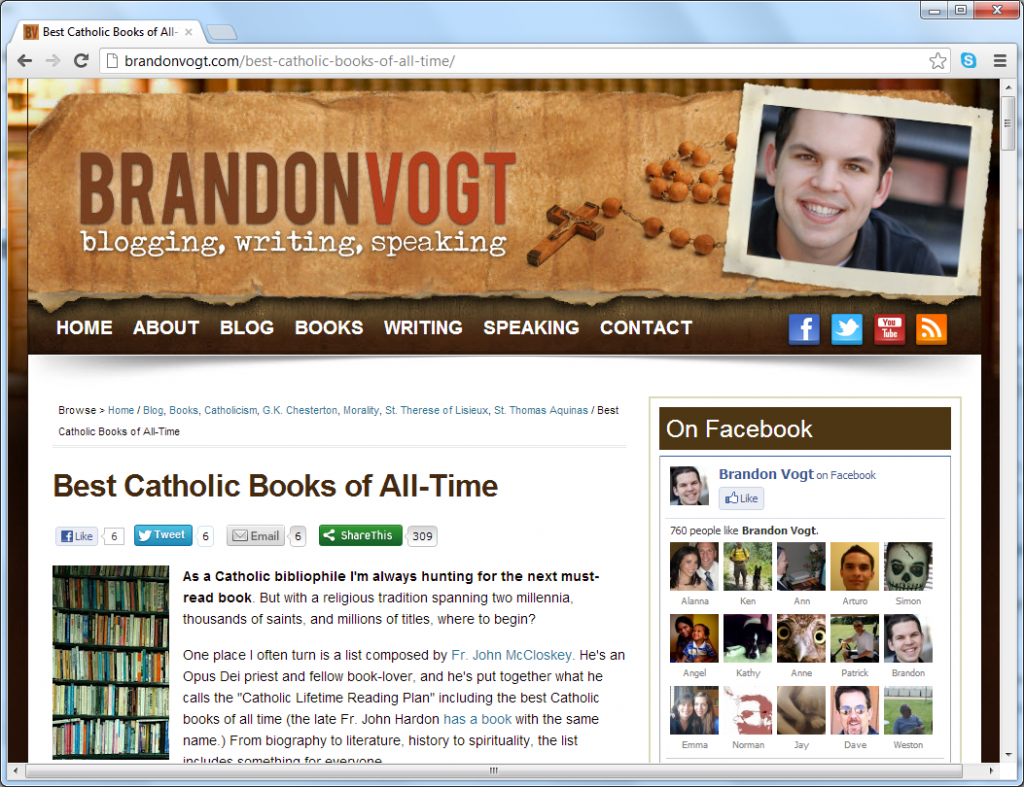
Shocking, right? I mention these statistics because I am currently picking out the books I’m going to read in 2013, drawing heavily from the Best Catholic Books of All-Time list posted by Brandon Vogt:
I’ll be posting my 2013 Reading List in a week or two. So what books do you plan to read next year?
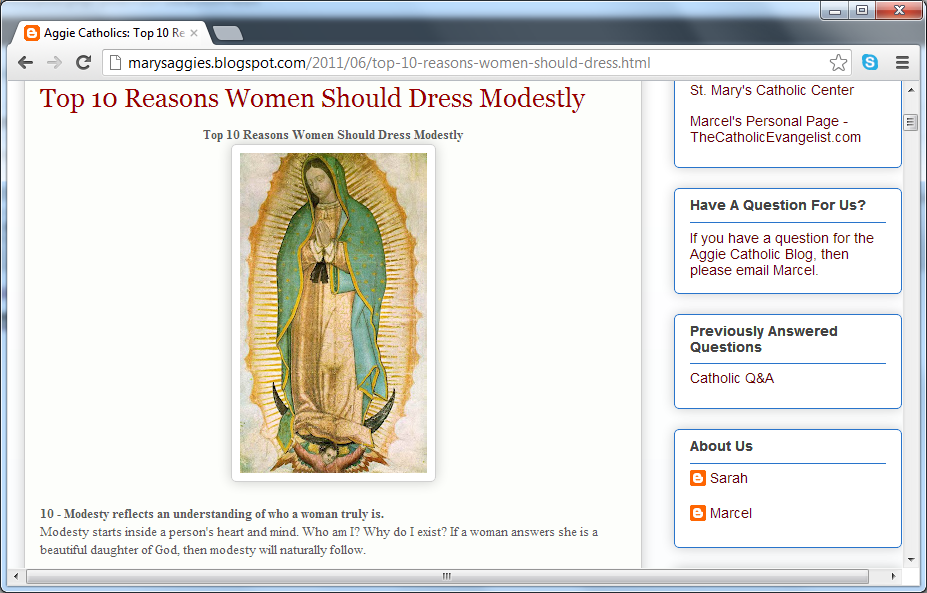
Today I just wanted to share two great posts from Aggie Catholics:
1. Top Ten Reasons Why Women Should Dress Modestly
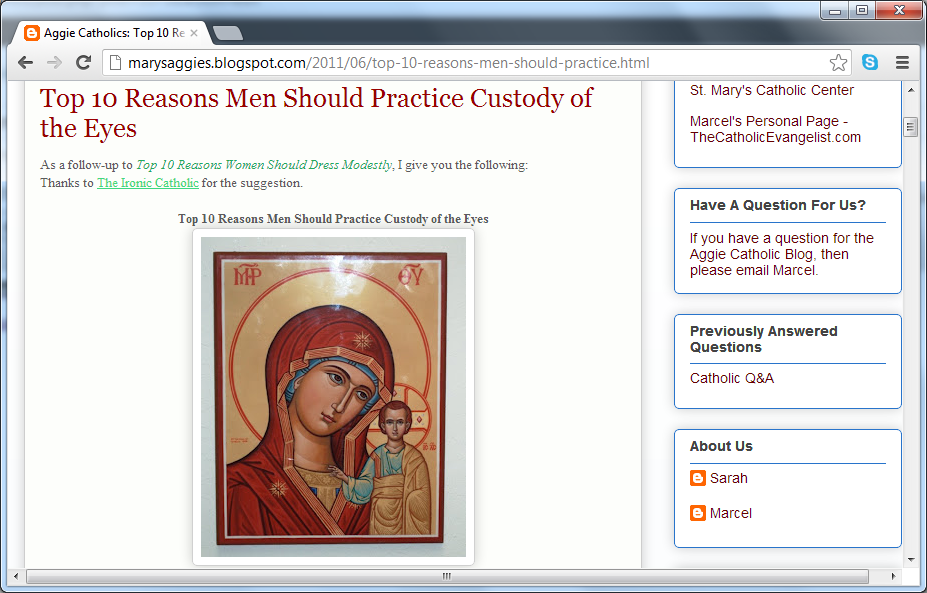
2. Top Ten Reasons Men Should Practice Custody of the Eyes