The Proto-Mass: The Road to Emmaus
 I came across this very cute little video…
"We are travellers…not yet in our native land" – St. Augustine
I came across this very cute little video…
In the Diocese of San Diego we’ve had various “Mega”-themed events. It all began with “Mega Mass”, then “Mega Adoration” and then “Mega Rosary”. We even had something akin to a “Mega Bible Study” at the end of my Theology On Tap talk.
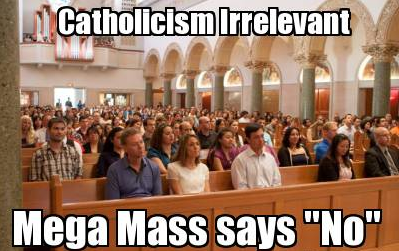
Why have “Mega” events? Well, we Christians often need to be reminded that we are part of something much larger than ourselves. We need to be reminded that the Church is far bigger than just our local parish or our local Bible study.
But you are a chosen race, a royal priesthood, a holy nation, God’s own people, that you may declare the wonderful deeds of him who called you out of darkness into his marvelous light. – 1 Peter 2:9
This idea has been brought home to me at several points in my life, but the one which sticks out to me is when I traveled to Australia in 2002 and visited Hillsong church in Sydney. If you’ve never been, it’s absolutely massive. It was quite something to be surrounded by a couple of thousand Christians singing praise to God.
After this I looked, and behold, a great multitude which no man could number, from every nation, from all tribes and peoples and tongues, standing before the throne and before the Lamb, …crying out with a loud voice, “Salvation belongs to our God who sits upon the throne, and to the Lamb!”
– Revelation 7:6-10
My good friend, Mr. Paul Kim, would like to talk to you for a few minutes about Theology of the Body and about speaking rather quickly:
Paul is a Catholic speaker in the LA area. You can visit his website here and buy his music from iTunes.
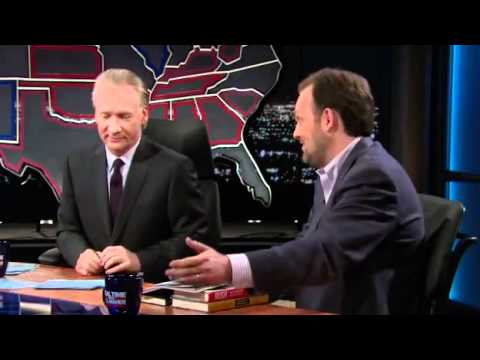 A friend recently sent me this video of an talk between Ross Douthat and Bill Maher, where they discuss Ross’ book “Bad Religion”:
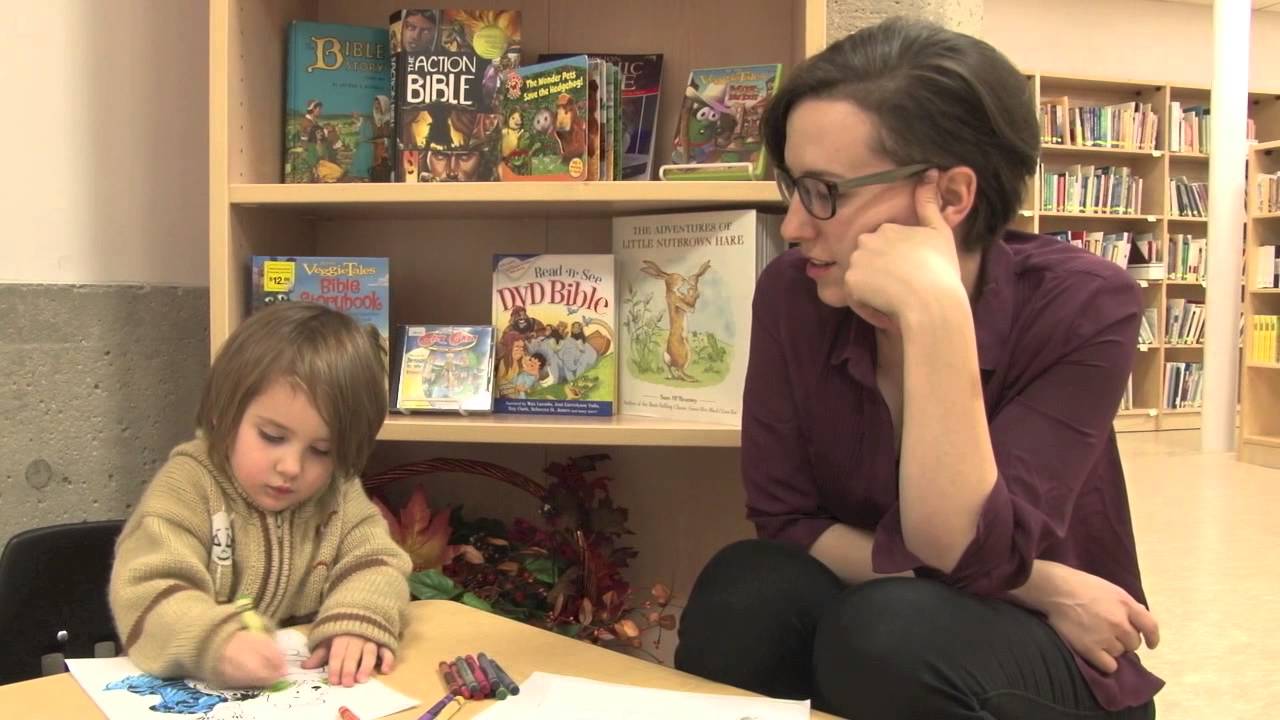 Oh, this is just adorable. Best Audrey Assad interview ever:
 A little while ago I published the list of questions which we use at the beginning of our Bible studies. Now, I know some people might find it a bit dull, and perhaps not the most interesting way to learn the Faith, but I’m a big fan of such things since it provides a framework within in which people can understand their faith. We devote time to continued learning about things which interest us in other areas of our lives, so why should it be any different when it comes to religion?
In our group we’ve recently added the names of the Twelve Apostles. Can you name them all? I’ll walk through them after the jump…
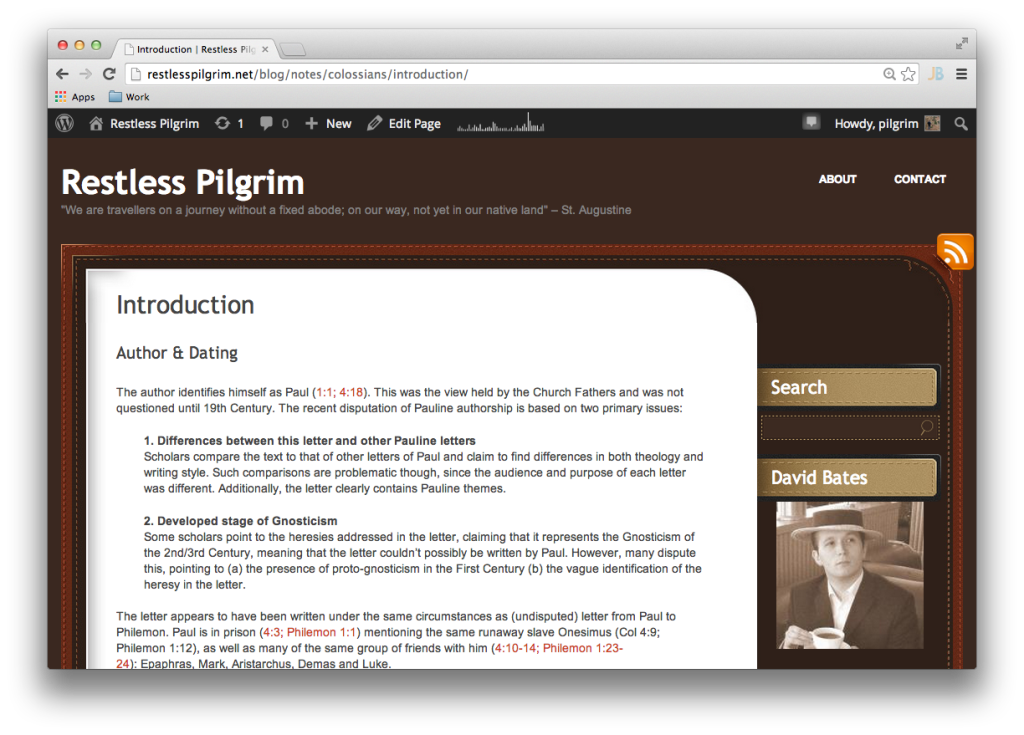
We will soon be starting a Bible study on St. Paul’s epistle to the Colossians so today I’ve been working on some preparatory notes. If you’re interested, the introduction and Chapter 1 are now complete: