The Christmas Conundrum
"We are travellers…not yet in our native land" – St. Augustine
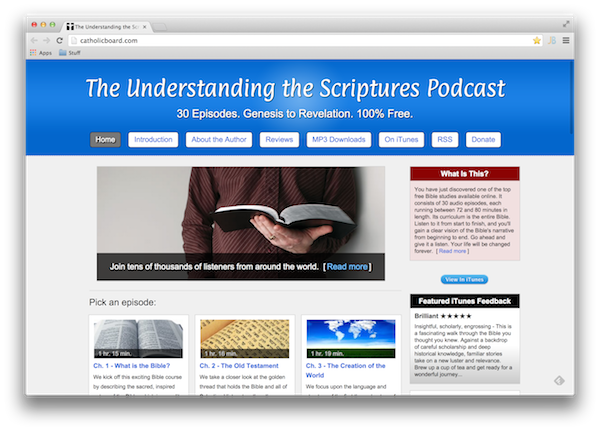
Always on the lookout for amazing (free) resources for Catholics, I recently came across The Understanding the Scriptures Podcast:
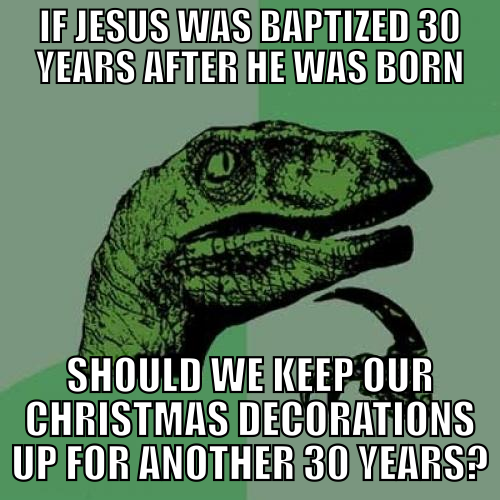
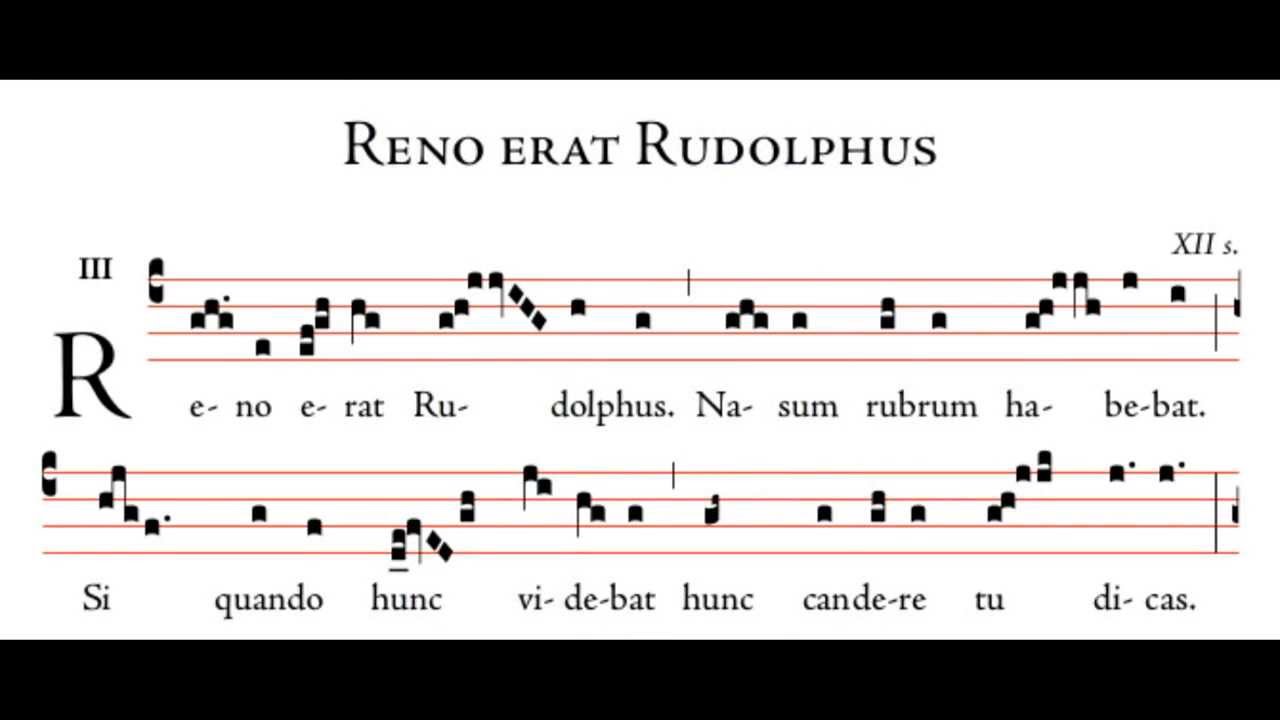
If you understand why this week’s Friday Frivolity is funny, please consider yourself a smartypants…
A very quick post today. As I mentioned before, I’m trying to read through the Bible in a year. At the moment in the plan, each day I a section from Genesis, a psalm and a section from Matthew’s Gospel. As I’ve been reading the Psalms, I noticed a curious word occasionally interspersed within the text, “Selah”:
O Lord, how many are my foes!
Many are rising against me;
many are saying of me,
there is no help for him in God. Selah
But thou, O Lord, art a shield about me,
my glory, and the lifter of my head.
I cry aloud to the Lord,
and he answers me from his holy hill. Selah
I lie down and sleep;
I wake again, for the Lord sustains me.
I am not afraid of ten thousands of people
who have set themselves against me round about. – Psalm 3:1-6
I wasn’t sure what this meant so I did a bit of googling…
It turns out that the exact meaning of “Selah” is somewhat disputed, but Wikipedia suggests that “It is probably either a liturgico-musical mark or an instruction on the reading of the text, something like “stop and listen”. Selah can also be used to indicate that there is to be a musical interlude at that point in the Psalm”
 If any of you have watched or listened to debates on atheism, you will have, no doubt, come across William Lane Craig. He is an analytic philosopher, Christian apologist and the driving force behind ReasonableFaith.org.
If you’ve ever heard him debate, you’ll know that he’s very clear, calm and persuasive. In fact, noted Atheist Sam Harris described him as “the one Christian apologist who seems to have put the fear of God into many of my fellow atheists”.
It was therefore with great curiosity that I listened to an interview where he discusses Catholicism:
The interview was rather interesting. Catholics were praised for seeming to read the Bible more these days, and Craig spoke about Catholic liturgy in exalted terms. On the whole he was pretty positive about Catholicism, although he of course still disagrees on certain points, otherwise he wouldn’t still belong to a Protestant denomination.
In the interview he raises two objections to Catholicism. The first is a classic, Justification. When speaking about this topic, Craig fails to understand how Catholics can speak about the involvement of works in salvation, yet at the same time assert that we are justified by grace.
The other issue raised was another old favourite, the Blessed Virgin. The interviewer, Kevin Harris, tripped up early on, saying “There was a move a while back to really elevate Mary, to almost equality with Christ, co-redemtrix. I don’t think that ever got off the ground in the Catholic Church, but there was a move there…”. This is misleading on two points. Firstly, although it’s not dogma, you’ll still find that title used a lot in reference to Mary, even although it isn’t as established as other titles, such as Mother Of God. Secondly, co-redemtrix does not indicate equality with Christ, simply that Mary has a role in redemption, much in the same way a pastor who leads a person to Christ participates in that person’s redemption.
On both of these issues, Craig seems to find a gap between official Church teaching and the belief of the Catholic faithful, some of which I find understandable.
I’d invite you to have a listen. What do you think of the interview?
I know we’re out of the Christmas season now, but here’s a post by Tim Staples asking: Was Jesus born on Christmas Day?