I recently saw a post shared on Facebook concerning the subject of Mormonism. Several years ago, a local newspaper in Utah had been publishing a series of apologetic articles encouraging people to leave the Mormonism, the Church of Latter-Day Saints (LDS). This drew a response from an LDS member named Thomas Clark, who penned a letter entitled “Quitting the Mormon Church”. In his response, Mr. Clark explained the conditions under which he’d leave the Mormon Church and go elsewhere.
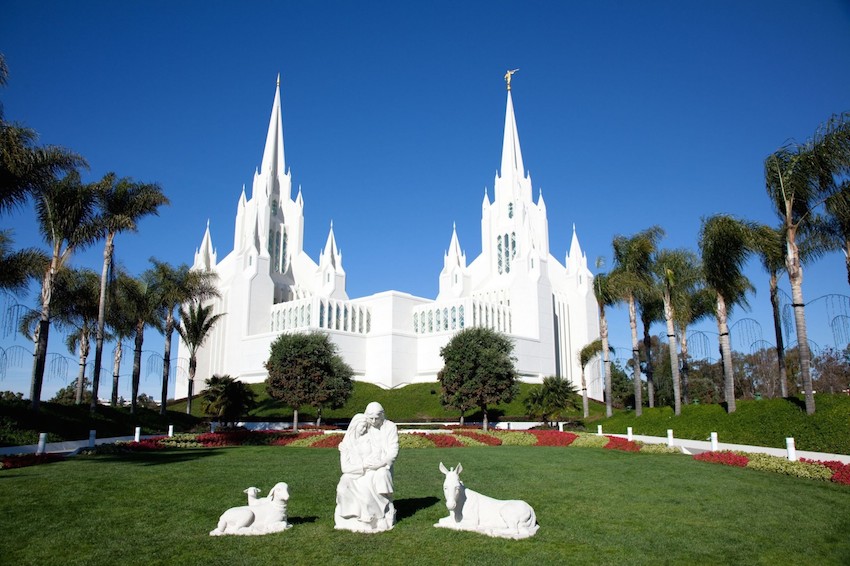
Since the Mr. Clark’s letter is rather long, I’ve provided an abridged version of it below, with the entire text at the bottom of this post for those who are interested. After the abridged version I will share a few thoughts concerning Mr Clark’s response and why, in my opinion, Mr Clark should in fact quit the LDS and join the Catholic Church…
Quitting the Mormon Church (Abridged)
I have been thinking of quitting the Mormon Church. Yes, if I can, I am going to get even with that church. As soon as I can find another church that teaches about the Gathering of the House of Israel; the return of the Ten Tribes and their mission; the return of the Jews to Palestine and why, and how they are going to build the temple; the building of temples and what to do with them; …the origin of the American Indian; …
Yes sir, as soon as I can find another church that teaches all that, or even half as much, I will say good-bye to this Mormon Church… It must be able to call, on a frosty day, some 5 or 6 thousand professors, students, lawyers, doctors, judges, policemen, businessmen, housewives and children to go and pick apples at 6 am…
Mr. Editor, could you help me find a church that teaches all that and more than hundreds of other doctrines and principles, which I have no room to mention here…
So, I repeat, if any one of the kind readers of this imperfect letter knows about another church that teaches and does as much for mankind as the Mormon Church, please let me know. And please do it soon, because my turn to go to the cannery is coming up… Do you think you can help me to find another church?
Thomas D. Clark
Read more