Why am I a Catholic?
The Acton Institute presents an evening with G.K. Chesterton:
"We are travellers…not yet in our native land" – St. Augustine
The Acton Institute presents an evening with G.K. Chesterton:
As I’ve noted in my posts about the Qur’an, the context of the each chapters of the Qur’an is often far from clear, at least from the text alone. I recently found a page on the website whose surah chronology I’m following which also provides contextual information for each chapter:

I hope everyone had a nice Christmas. If you had to go to work today, then you can at least comfort yourself with the knowledge that I’ve waded through 109 verses to bring you this commentary on Surah 10:
Surah 10 – “Jonah” (Yunus)
The opening few pages of this chapter are pretty standard stuff:
Since yesterday Christmas began, it’s time to crack open the Christmas Music! Today is one of my favourites, “I heard the Bells on Christmas Day”, by Casting Crowns:
I heard the bells on Christmas day
Their old familiar carols play
And mild and sweet their songs repeat
Of peace on earth good will to men
And the bells are ringing (peace on earth)
Like a choir they’re singing (peace on earth)
In my heart I hear them (peace on earth)
Peace on earth, good will to men
And in despair I bowed my head
There is no peace on earth I said
For hate is strong and mocks the song
Of peace on earth, good will to men
Then rang the bells more loud and deep
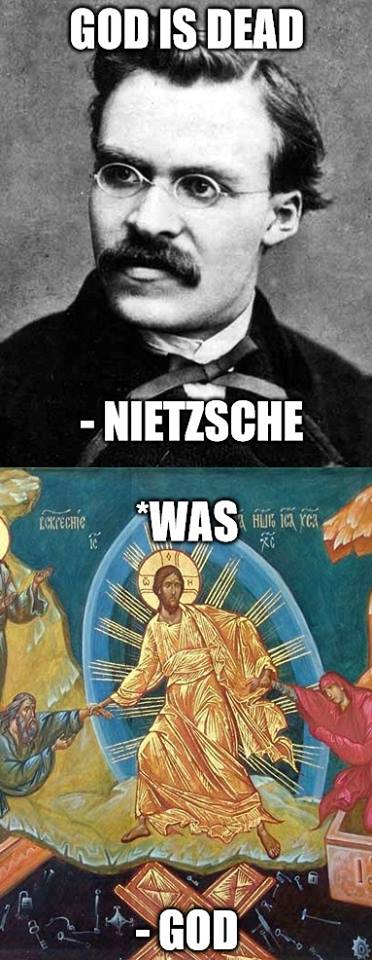
God is not dead, nor does he sleep (peace on earth, peace on earth)
The wrong shall fail, the right prevail
With peace on earth, good will to men
Then ringing singing on its way
The world revolved from night to day
A voice, a chime, a chant sublime
Of peace on earth, good will to men

Happy Christmas everyone! I hope your day is filled with joy. As for me, I’m working my way through a very long chapter of the Qur’an…
Surah 17 – “The Night Journey” (Al-Isra)
This chapter begins with an brief reference to event which gives its name to this chapter: The Night Journey. We are told that, in a single night, Muhammad travelled from Mecca to Jerusalem. There’s a second journey made later that night to Heaven, but it is not mentioned in this chapter.
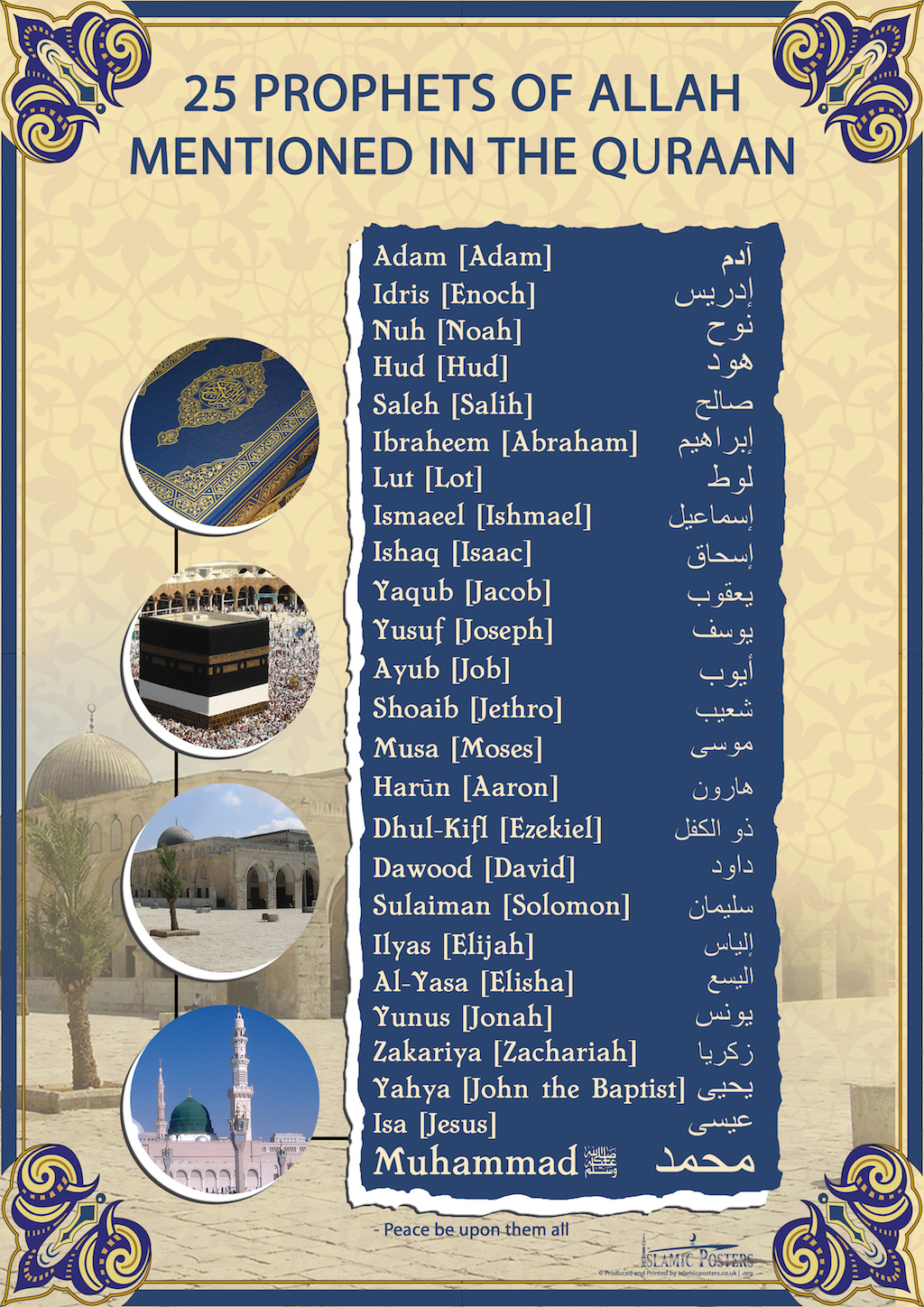
Then begins some teaching concerning the Children of Israel. We are told that Allah “gave Moses the Scripture and made it a guidance for [them]”. Again, there is no indication that the Hebrew scriptures have been corrupted at all.
After a brief mention of Noah, we are told that Allah told the Children of Israel that they would “surely cause corruption on the earth twice” and he promised punishment on both of these occasions.
1. On the first occasion, Allah promised that a servant of His, someone with great military power, would invade their homes. He then promised that the Israelites would eventually be victorious.
2. On the second occasion, Allah sent enemies who entered the Jerusalem Temple and destroyed it.
I’m not exactly sure which events are being described here, since we are given very little information. The destruction of the Temple was done first by the Babylonians and then by the Romans.


Today we return (again) to the story of Moses and encounter some notable differences between the Qur’an and the account found in the Hebrew Bible…
Surah 28 – “The story” (Al-Qasas)
We open again with the assertion that the Qur’an is “a clear Book”.
We jump to Egypt and are told about the Pharaoh who persecuted the Children of Israel. The Qur’an describes this rather strangely, saying that “[Pharaoh] made [the people of the land] into factions, oppressing a sector among them”. This “sector” is assumed to be the Israelites. However, things get weirder still. We are told that one of Pharaoh’s ministers is a man called “Haman”. Now, there is a man in the Old Testament by that name, who was indeed a government minister and who also sought the downfall of Israel. However, this man lived in a different land and in a different time period, when the Children of Israel were saved by the intercession of Queen Ester. It should also be noted that the when baby Moses is brought into the royal household, it is Pharaoh’s wife, not his daughter, who is his principal saviour.