Qur’anic Study Tool

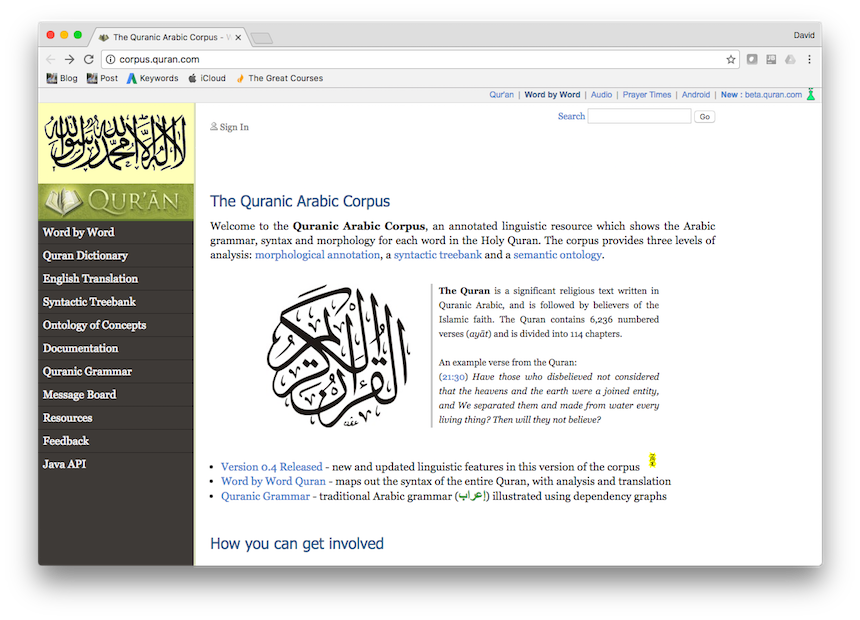
During my study of the Qur’an, I came across this website:

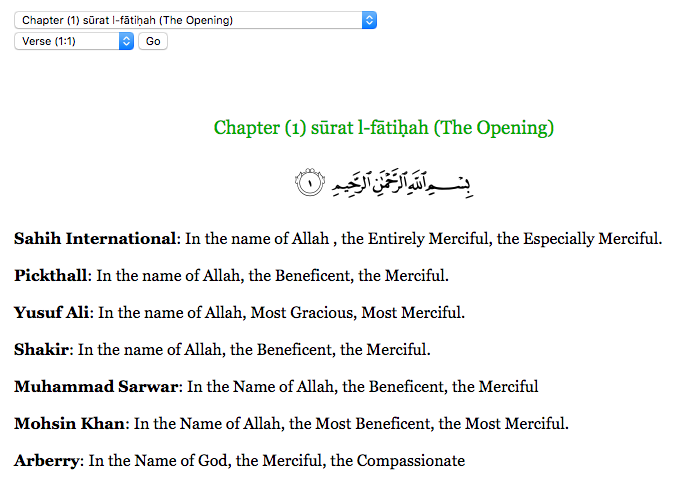
I have to say, I’m really rather impressed. The site allows me to compare different Qur’anic translations, which has proved very helpful in discerning the meaning of obscure verses:

screen-shot-2016-12-16-at-8-28-56-am

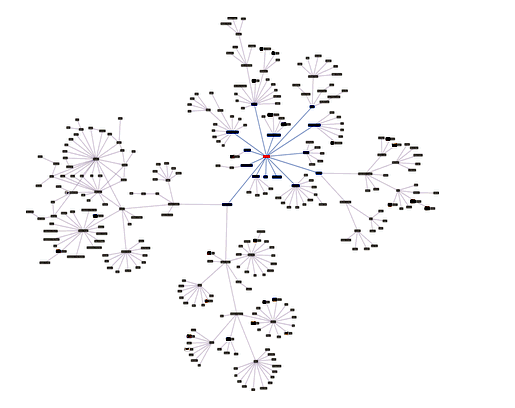
It also has an ontology graph, showing the relationships between different concepts in Islam.

screen-shot-2016-12-16-at-8-27-05-am

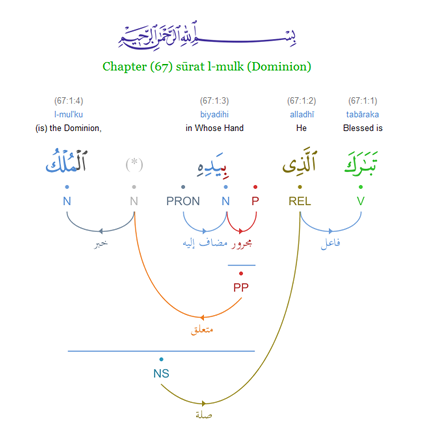
There’s also a considerable material here on grammar, which I’m sure I’d find useful if I actually spoke Arabic:

screen-shot-2016-12-16-at-8-29-48-am

The only thing it doesn’t have which I’d find really helpful is integration with the hadith, since context is still my #1 issue when reading the Qur’an…

Qur’an Cover-to-Cover: Day 7 (“The heights” and “The Jinn”)

Today I’m going to be looking at two chapters of the Qur’an, one long (#7) and one reasonably short (#72).

Surah 7 – “The heights” (Al-Araf)
Mankind is reminded to follow Allah and also reminded of the cities which He destroyed to punish unbelieving people. The scales of judgement which weigh good deeds are also recalled.

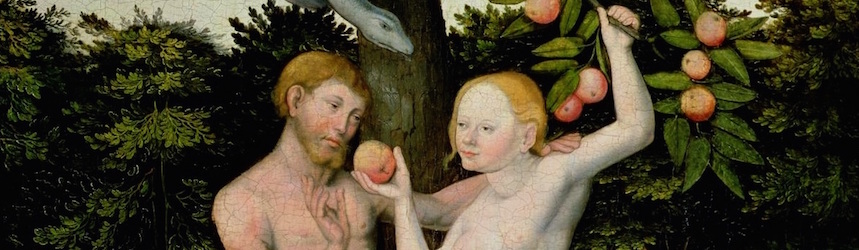
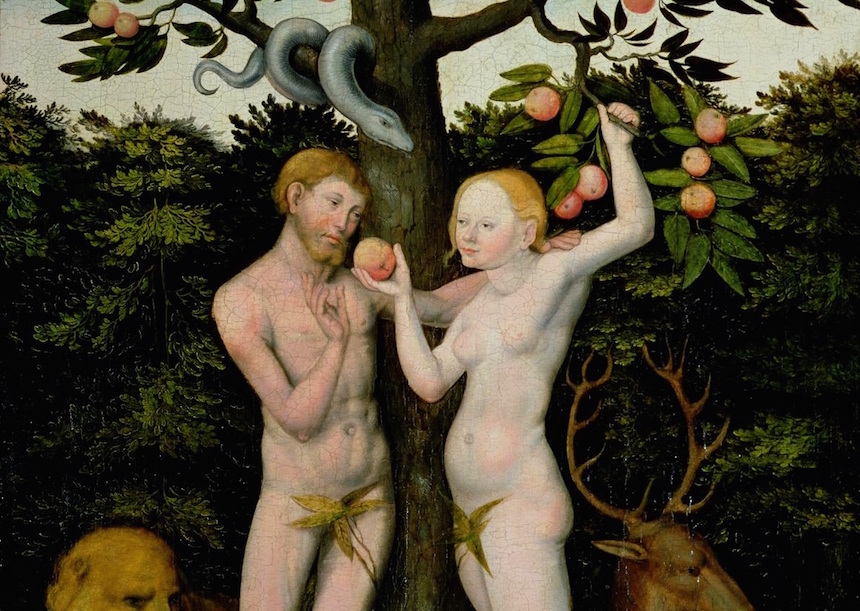
The fall of Satan is described, in an almost identical pattern to Surah 38 (“The letter sad”). The narrative continues, however, describing the Fall of Adam and Eve. Allah told them “do not approach this tree, lest you be among the wrongdoers”. The nature of the tree or the consequences of eating from it were not really explained. Rather than saying that they will be like gods (as in the Genesis narrative), Satan promised that if they eat the fruit they will “become angels or become of the immortal”. Once they have eaten, they recognize their nakedness and sew together leaves as clothes. God arrives and chastises them. We don’t see “the blame game” which we see in Genesis, where Adam blames Eve (and ultimately God) and Eve blames the serpent.

Read more

Qur’an Cover-to-Cover: Day 6 (“The morning star”, …)

morning-star

My course through the Qur’an continues today with chapters 86, 54 and 38. I’m tackling fewer chapters in this post because Surah 38 is quite long and I have quite a lot to say about it…

Surah 86 – “The morning star” (At-Tariq)
This chapter begins by reminding man from what he was made. In the same way that Allah created them from nothing, He is able to give them life again on Judgement Day. The authority of the Qur’an is reasserted, as is God’s control over the events of life.

Questions

Q1. What does aya 4  mean when it says “There is no soul but that it has over it as a protector”? Is it saying that every soul has a protector? If so, is this Allah or an angel?

Q2. Does semen really emerge “from between the backbone and the ribs”? sperm production is far lower than that.

Read more

Islamic Glossary

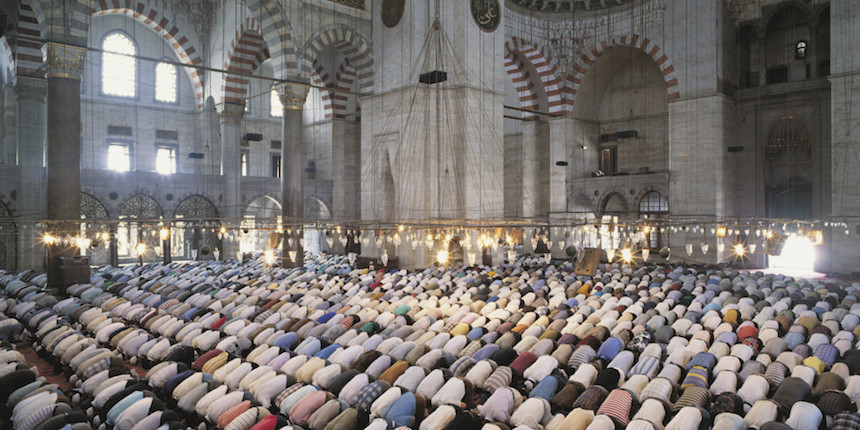
Turkey, Istanbul, Suleymaniye Mosque, crowd praying

If you regularly read this blog, you’ll know that at the moment I’m reading through the Qur’an, chapter by chapter. Each day I have been posting a brief entry discussing the material I’ve read that day. I’ve also been recording my questions about the text which I will ask when I meet one of the local San Diego Imams.

Since these posts contain words from Islam which may be unfamiliar to many Christians, this blog entry will act as a glossary of terms. I’ll be updating this post as I continue my reading each day.

UPDATE: Since this glossary is starting to get a little big, I’ve going to put the more obscure glossary items in a lighter font so that it’s easier to see which terms are more important.

Read more

Qur’an Cover-to-Cover: Day 2 (“The dawn”, …)

sunrise

Continuing with my chronological read through the Qur’an, today I read the following chapters: 87, 92, 89, 93, 94, 103 and 100.

Surah 87: “The most high” (Al-Ala)
Allah tells Muhammad that he will make him recite the Qur’an and remember it…unless God wants him to forget it. This relates to the rather troublesome subject of abrogation in the Qur’an where, even within the lifetime of Muhammad, some chapters were overridden or replaced.

Allah promises to lead Muhammad and his followers to true religion, but the wretched to the fires of Hell.

Questions

Q1. The text says “…the Hereafter is better and more enduring. Indeed, this is in the former scriptures. The scriptures of Abraham and Moses”. Where does the Pentateuch teach about the afterlife?

Read more

The Chronological Qu’ran

I first encountered Islam about six years ago when I was living in London. After meeting a Muslim for the first time, I decided that I should probably become more familiar with the religion, given that it is followed by 1.6 billion people, approximately 23% of the world’s population.

In my naiveté, I decided to start reading the Qur’an, the holy book of Islam. Oddly enough, I had been given a copy of the Qur’an at my (Catholic) school’s prize-giving about ten years earlier. I dug out my copy and started reading…

I’ll admit that I found the text of Qur’an very dry and I gave up after reading it when I was only about a third of the way through. Jumping straight into the Qur’an is very difficult, particularly if you don’t know much about Islam. It would have been helpful to know, for example, that the chapters (“suwar”) are not placed in chronological order, meaning that as I read sequentially through the chapters, I was jumping between very different periods in Muhammad’s life.
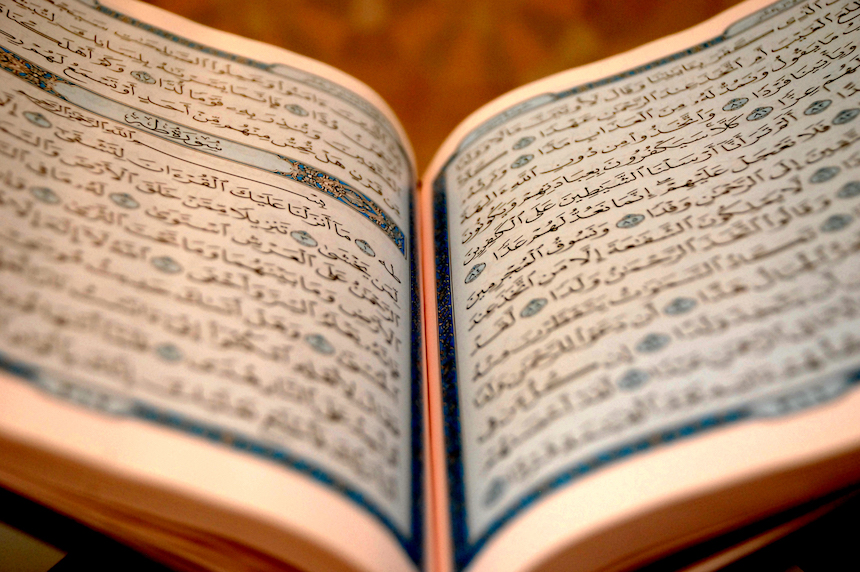
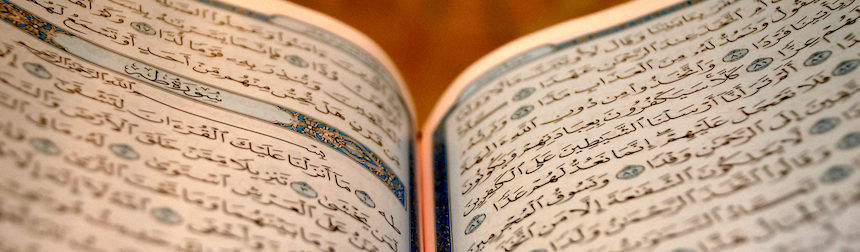
quran

I’ve recently been reflecting on the subject of Islam and have concluded that the need for Christians to be familiar with this religion will only become greater with time. I’ve therefore decided to do more posts on this subject over the coming months. I have already written an introduction to Islam and the odd apologetics post, but in preparation for these upcoming articles, and for the sake of gaining credibility, I have decided to read the Qu’ran from cover-to-cover, but on this occasion I will read the chapters in chronological order.

Below you will see my reading plan, with the chapters arranged in (rough) chronological order. Discerning the exact chronology of the chapters is somewhat difficult for Muslim scholars to discern, particularly give that some chapters even contain verses from different periods. I found several different chronological orderings on the Internet, but I have chosen this one. There were other orderings I found on Christian websites, but in an attempt to limit Christian bias (which I will already bring to the text), I chose to use a chronology from a Muslim website.

My plan is to post some very brief thoughts about the chapters I read each day. I’ve also written a glossary of Islamic terms to make these easier to follow. From time to time, I’ll visit an Imam in San Diego, in order to clarify anything which I have found confusing.

Read more
Introduction to Islam (Part 2 of 5: Revelation)

In yesterday’s blog post I began a brief introduction to Islam.  I focussed primarily on the founding of Islam and Muhammad.

Today I would like to look at the divine revelation which Islam claims to have received, which is found principally in the Qur’an/Koran.

As I said yesterday, I have done my best to ensure factual accuracy in all these posts and have used Islamic sources as much as possible to ensure that I’m not propagating Christian misconceptions of Islam.  I did send this to some Muslim friends for comment, but I have yet to hear back. If you are a follower of Islam and believe that I have misrepresented your religion, please drop me an email and I will remedy the situation.

The Qur’an

As mentioned in my previous post, the Qur’an (literally, “the recitation”) is a compilation of the messages given to Muhammad.

Christians and Muslims understand the concept of scripture differently.  Christians describe the Bible, in the words of St. Paul, as being “God breathed” (theopneustos).  As Dei Verbum explains:

“In composing the sacred books, God chose men and while employed by Him they made use of their powers and abilities, so that with Him acting in them and through them, they, as true authors, consigned to writing everything and only those things which He wanted” – Dei Verbum, Chapter 3

Muslims, on the other hand, view the Qur’an as the word of God in the most literal sense, believing that the text bears no imprint of the writer’s character whatsoever. Rather, they believe that the Qur’an is the literal word of God, dictated to Muhammad, written down verbatim.

Read more

1 2 3 4