It’s another long one today, one hundred and eighty-two verses.
Surah 31 – “Luqman” (Luqman)
The opening is fairly standard stuff…
- Muhammad is told to warn those who lead other away from the Qur’an and Allah
- “…those who believe and do righteous deeds – for them are the Gardens of Pleasure”
- Allah’s work of creation is extolled.
The title of this chapter refers to a person, “Luqman, the Wise”, an Abyssinian or Nubian slave who lived around Madyan, who was known to pre-Islamic Arabs. Muhammad is told to remind the people of when Luqman told his son “do not associate [anything] with Allah”. There then follow two ayat which comment on the two subjects raised here: care of parents and shirk. We then return to Luqman. He tells his son that Allah reveals all wrongdoings. He exhorts him to prayer, right action, patience and humility.
We turn to the subject of unbelievers, who chose to reject prophets who come with revelation and instead to follow the religious practices of their ancestors.
Muhammad is told to “not let…disbelief [of others] grieve you” since they will ultimately return to Allah: “We grant them enjoyment for a little; then We will force them to a massive punishment”. This seems rather vindictive.
The chapter ends by emphasizing that man doesn’t know the future, but Allah is all-knowing (“[Allah] knows what is in the wombs”).
Read more
 I’ve had an interest in Islam for quite some time now. Particularly during the weeks when I was reading through the Qur’an, I would regularly have people ask me about the relationship between Islam and violence.
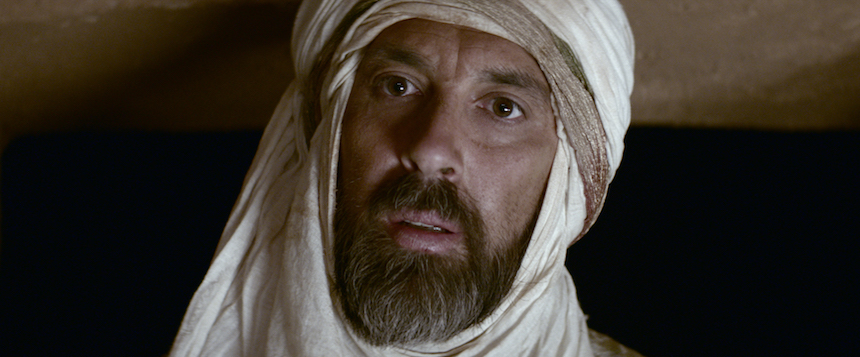
 A while ago I posted a video of the first film adaptation I saw of the life of Muhammad. Since watching it again, YouTube has been recommending this animate version: