Wise Words on Wednesday: Holding Grudges

To bear a grudge and pray, means to sow seed on the sea and expect a harvest.
– St. Isaac the Syrian
"We are travellers…not yet in our native land" – St. Augustine
To bear a grudge and pray, means to sow seed on the sea and expect a harvest.
– St. Isaac the Syrian

“I wondered if that was how forgiveness budded; not with the fanfare of epiphany, but with pain gathering its things, packing up, and slipping away unannounced in the middle of the night.”
– Khaled Hosseini, The Kite Runner
 One of my favourite things about having a blog is that, every now and then, I’ll get an email out of the blue from someone I don’t know. I love getting emails from people I’ve never met. There’s something quite wonderful in having an interaction with someone from across the continent or even the world, all because of something you’ve written!
Very often when I get emails they contain questions of an apologetics nature. I’m trying to get better at converting these email exchanges into posts. So, in light of that, I would like to share a response I gave to an email I received a few weeks ago. The gentleman asked the following question:
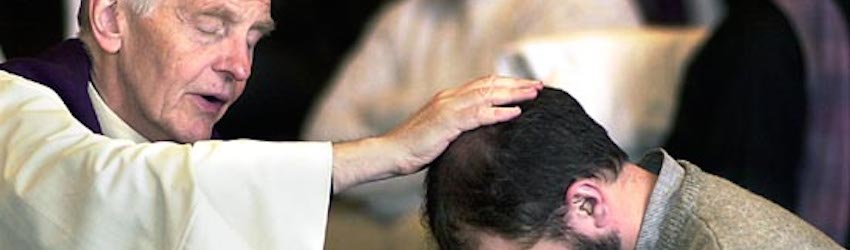
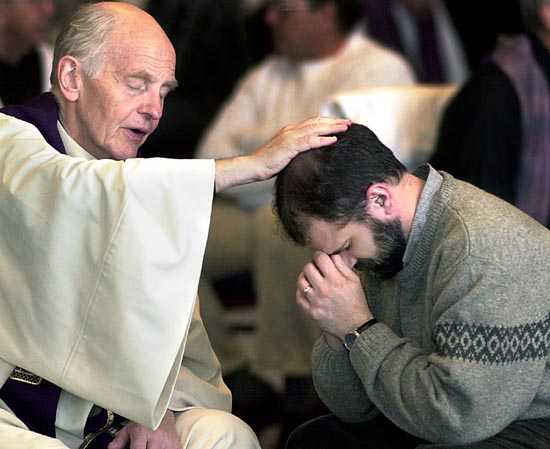
While discussing Christ’s establishment of the Sacrament of Reconciliation, I brought up John 20:21-23. My Protestant friends said that this is Jesus’ way of warning everyone not to hold a grudge against someone by retaining their sin. I know what Jesus was doing here, but I lack the bomb-proof Catholic response to this interpretation; can you help?
I’m not sure if my response qualifies as “bomb-proof”, but here was my reply…
Yesterday I began to look at the question of infant baptism. We saw how, although we don’t have explicit references to infant baptism in the New Testament, that there are passages which strongly suggest that infants and children were baptized. Today I would like to continue looking at this issue, but from a slightly different angle…

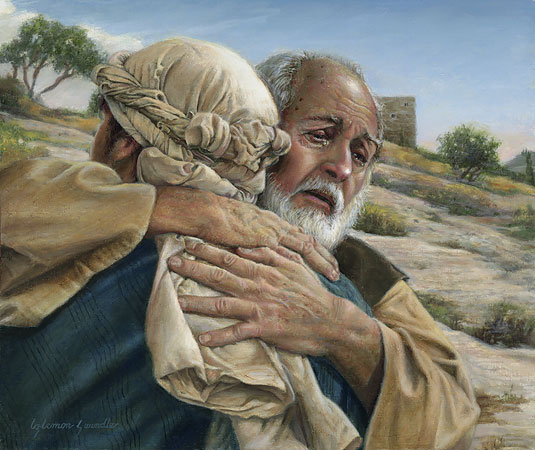
A hermit was asked, “What is humility?” He said, “It is if you forgive a brother who has wronged you before he is sorry.”
-De vitis Patrum, Sive Verba Seniorum, Liber V
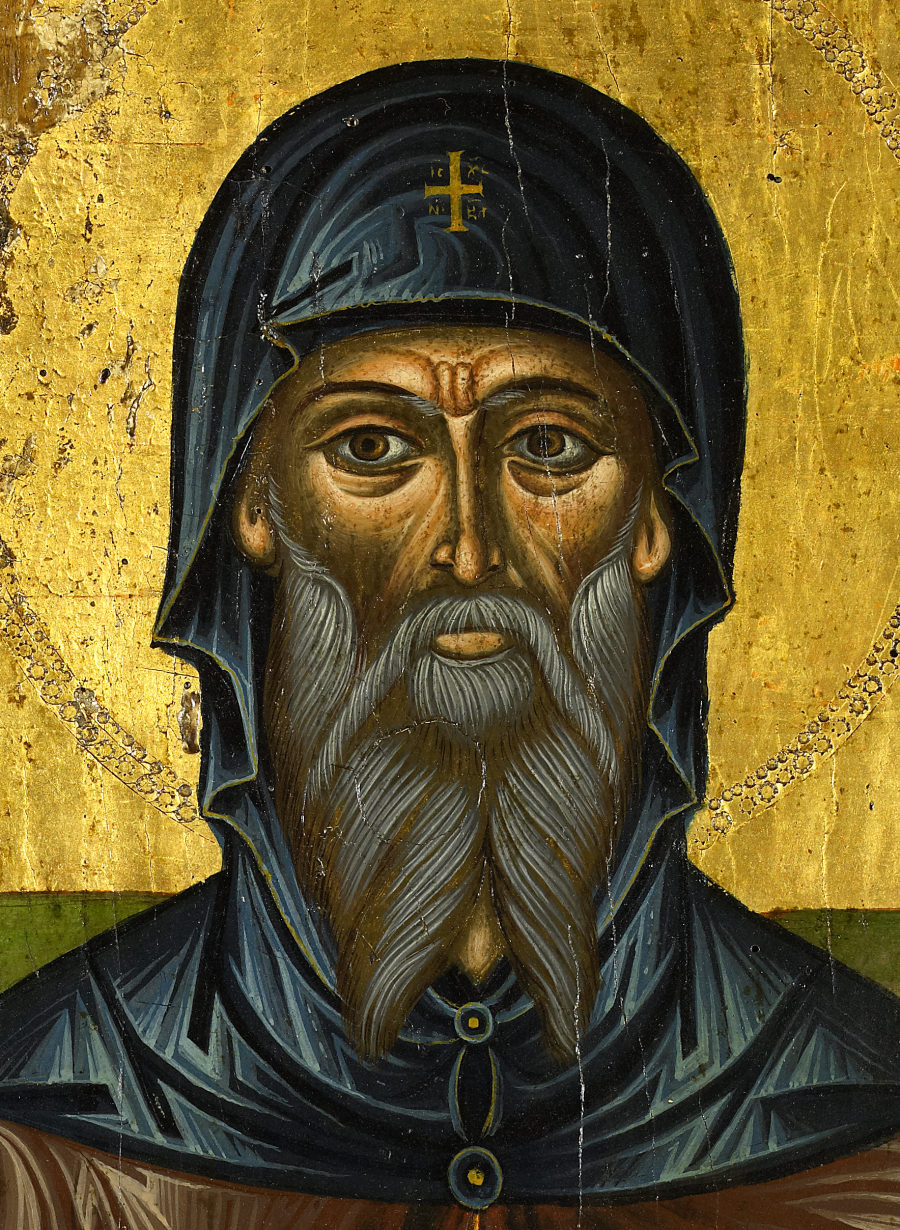
Once a brother in the community of Elias fell when he was tempted. He was expelled from the community, and went to the mountain to Antony.
When he had been with him for some time, Anthony sent him back to his community, but when they saw him, they sent him away again. So he went back to Anthony and said, “They won’t have me, abba.” So anthony sent a message to them saying, “A ship was wrecked in the ocean and lost its cargo, and with great difficulty the empty ship was brought to land. Do you want to run the ship that has been rescued onto the the rocks and sink it?”
They realized that Antony had sent him back, and at once accepted him.
– De vitis Patrum, Sive Verba Seniorum, Liber V
I meant to post this blog entry a long time ago, but it became one of the many posts to hide itself away in my Drafts folder. I came across it yesterday and, given the recent horrific events in Connecticut, I thought it was an appropriate time to finally post it.
Back in May of 2011, there was a great stir after a parishioner of a parish in Florida requested a Mass to be said for the soul of Osama Bin Laden.
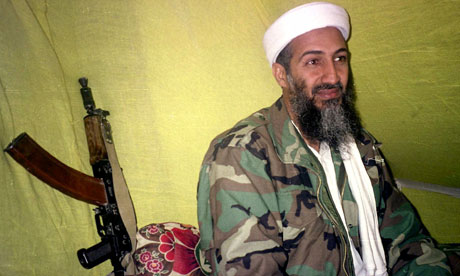
This request caused all kinds of uproar among other parishioners:
“I think it’s totally wrong, he doesn’t belong in the Catholic religion. For what he did to Americans, he doesn’t belong anywhere…”
“It’s unconscionable, it’s sacrilegious…”
While I can understand the gut reaction of those who objected to this proposed Mass intention, how compatible are these statements with the Catholic faith?