Sunday Lectionary: September 11, 2011

There’s not too much technical stuff to focus on in this week’s Mass Readings. My suggestion is to use the readings as a springboard to invite people in the study group to talk about their struggles, successes and failures in relation to that tough subject of forgiveness.

Twenty-Fourth Sunday of Ordinary Time

Last week’s Mass Readings concerned themselves with the restoration of brothers and sisters who have fallen into sin. This week’s Readings build on those of last week, focussing upon forgiveness, its centrality to the Gospel and its necessity in God’s covenant community.

“There is no offense, however serious, that the Church cannot forgive. There is no one, however wicked and guilty, who may not confidently hope for forgiveness, provided his repentance is honest. Christ who died for all men desires that in his Church the gates of forgiveness should always be open to anyone who turns away from sin” – Catechism of the Catholic Church, Paragraph 982


Reading I: Sirach 27:30-28:7

Our First Reading comes from the book of Sirach. This book is one of the books which was removed from the Bible by non-Catholics at the time of the Reformation in the 16th Century. Non-Catholics refer to this collection of books as the Apocrypha, whereas Catholics refer to them as the Deuterocanonical books. Other books in this collection include Tobit, Wisdom and 1 & 2 Maccabees.

The link between this First Reading and the Gospel passage is clear: if you would like the Lord’s forgiveness and mercy, you should treat others with forgiveness and mercy.

“Wrath and anger are hateful things, yet the sinner hugs them tight. The vengeful will suffer the LORD’s vengeance, for he remembers their sins in detail. Forgive your neighbor’s injustice; then when you pray, your own sins will be forgiven.

Could anyone nourish anger against another and expect healing from the LORD? Could anyone refuse mercy to another like himself, can he seek pardon for his own sins? If one who is but flesh cherishes wrath, who will forgive his sins?

Remember your last days, set enmity aside; remember death and decay, and cease from sin! Think of the commandments, hate not your neighbor; remember the Most High’s covenant, and overlook faults”

Possible Questions:

  • How does the author describe the sinner’s relationship to wrath and anger? What can we learn from this?
  • Practically speaking, what does this forgiveness look like?
  • There are several rhetorical questions in this passage. What point do they make?
  • What are the reasons the author gives for putting aside “wrath and anger” and “enmity”?
Read more

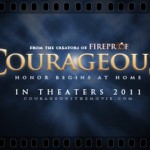
Courageous

At the end of this month, the movie “Courageous” is going to be released…

I was fortunate enough to be invited to see a preview screening of this film a while back and thought it was superb. The essential focus of the movie is Fatherhood and, more broadly, masculinity. The tagline of the film is from the book of Joshua:

“But as for me and my household, we will serve the LORD” – Joshua 24:15

This film is coming from the same group of people who brought us the movie “Fireproof” and includes some of the same actors. I actually think that Courageous is a more polished film than Fireproof, which I felt was, at times, slightly clunky and a little bit cheesy. Courageous has a few moments that made me wince, but they were generally few and far between.

One of the actors was at the screening I attended and he said that they hoped that Courageous would do for Fatherhood what Fireproof did for marriage. I think it certainly does hit its mark in this respect and I left the movie theatre feeling inspired. I’ve organized a group “man trip” to the cinema shortly after it goes on general release and I hope that those coming will be likewise inspired.

Oh yes, one other thing. The title soundtrack comes from the greatest band in the world, Casting Crowns

“Master, it is good for us to be here…”

Tonight, after Benediction, I felt drawn to tarry in the church a while longer than usual. Soon there were only one or two other people left in the church.

While sitting there, I felt a deep, tremendous peace; a peace I haven’t felt in some time.

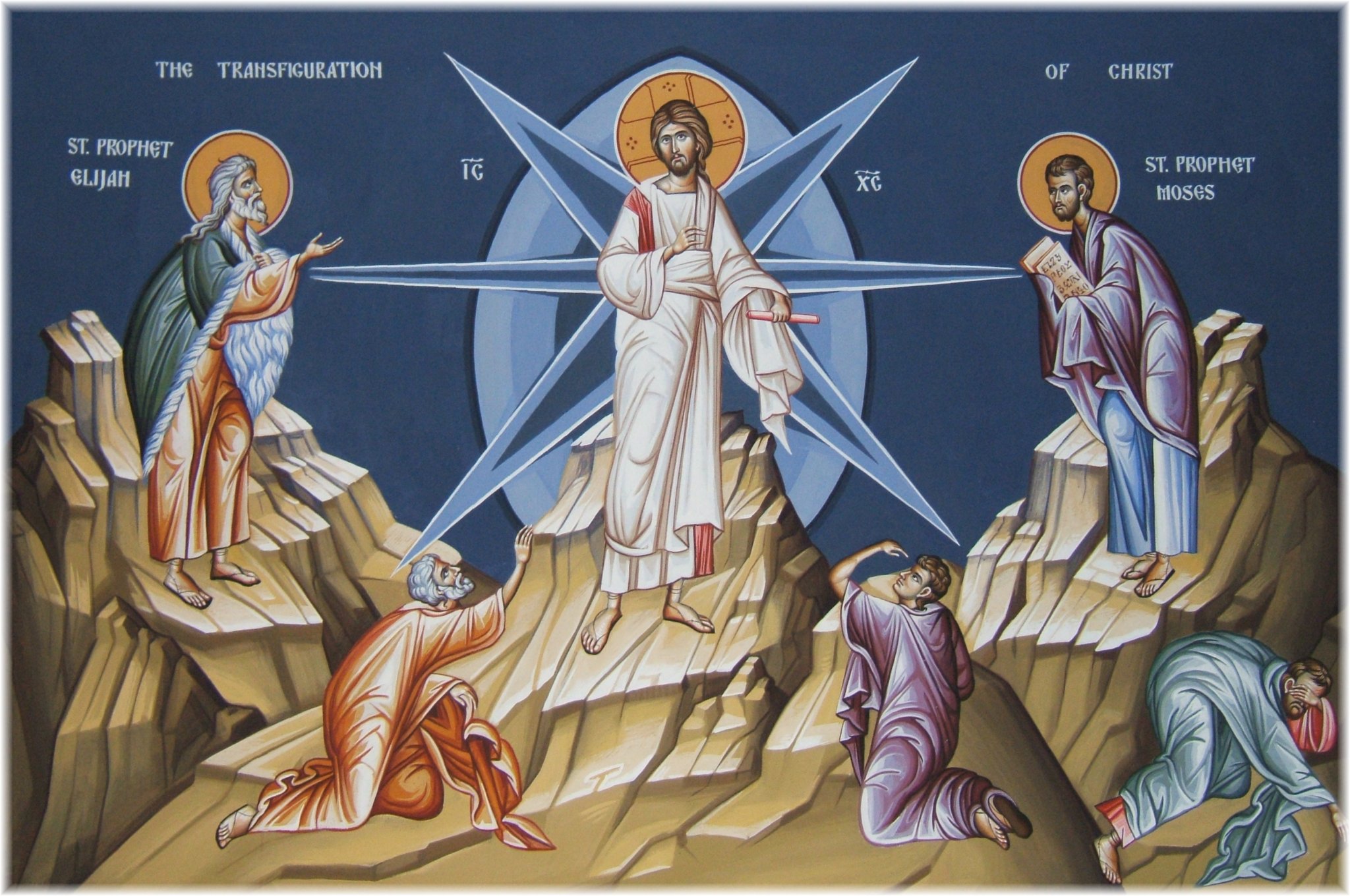
As I sat there, just enjoying the moment, I was reminded of something that my patron Saint, St. Peter, said at the Transfiguration when he beheld the Jesus’ glory:

“Master, it is good for us to be here. Let us put up three shelters—one for you, one for Moses and one for Elijah” – Luke 9:33

I know there’s a lot of theological significance in what Peter is saying here, but sitting in that church tonight I understood those words in a slightly different light. Peter was seeing the beauty of the Lord and wanted to prolong that mountaintop experience. He didn’t want to go back down the mountain just yet – he wanted to setup camp for a little while…

After Benediction, I, too, wanted to prolong the experience, remain in my pew and maybe setup camp for a little while…

The purpose of getting to higher ground isn’t so we can just enjoy the view, it’s so that, when we come back down from the mountain, we can approach the terrain ahead with a new perspective and with confidence.

Thanks for the memories (Part 2 of 2)

Yesterday I told the story of a friend of mine who asked me about how non-Catholics memorize Scripture.

I began by offering a few techniques that I’ve used in the past for committing Bible passages to memory. I then went on to explain that, memory techniques aside, non-Catholics tend to be more familiar with Scripture simply because they make it more of a priority in their lives.

Today I’d like to take a look at the Catholic response to this…

The Catholic Response

First of all, what does the Church teach on the subject? The Catechism says:

The Church “forcefully and specifically exhorts all the Christian faithful. . . to learn the surpassing knowledge of Jesus Christ, by frequent reading of the divine Scriptures…” – CCC #133 

Well, you can’t really get much more forceful than that! The Church says that “all” Catholics should get to know Jesus better through “frequent” reading of the Bible. The Catechism then goes on to sum up the Church’s position beautifully and succinctly with a quotation from one of the Church’s greatest biblical scholars, Jerome:

“Ignorance of the Scriptures is ignorance of Christ” – St. Jerome, Commentary on Isaiah

Read more

Thanks for the memories (Part 1 of 2)

The other day a friend asked me how, in my experience, non-Catholic Christians memorize Sacred Scripture. This is a very reasonable question. It is common to hear Catholics say how impressed (and intimidated) they are when their Protestant work colleges or classmates quote Scripture at them chapter and verse.

Answer

I responded initially with the suitably vague answer saying that, in my experience, it varies from denomination to denomination and from congregation to congregation. There are certainly some groups which emphasize Scripture memorization more than others.

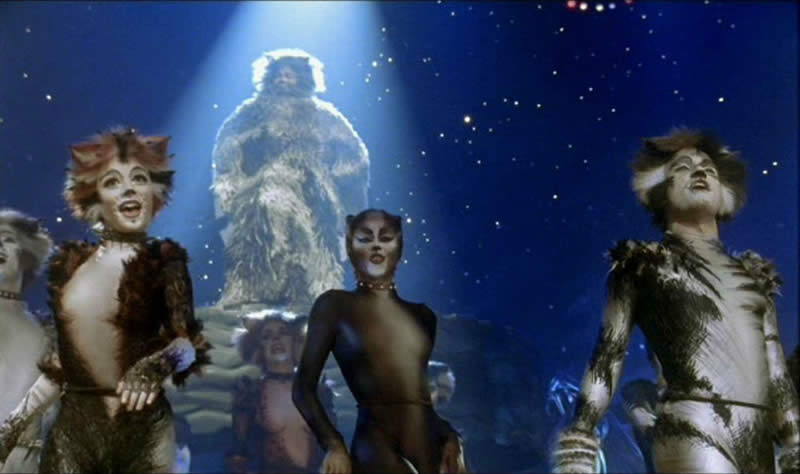
“Memory! All alone in the moonlight…”

Personally, I’ve never been very good at Scripture memorization, at least as an activity in its own right. When I quote Scripture, it’s usually a rough paraphrase and it’s pretty rare that I can give the chapter, let alone the verse.

Read more

Sunday Lectionary: September 4, 2011

Unfortunately a little rushed this week, but here you go…

Twenty-Third Sunday in Ordinary Time

The readings this week concern themselves with the tricky subject of relationships and, in particular, relationships between Christians. The passages address the question of how sin and disputes are to be handled in the Church.


Reading I: Ezekiel 33:7-9

Last week we heard from the Prophet Jeremiah. This week we have switched to the Prophet Ezekiel, but continue with the theme of God’s word.

Thus says the LORD:

“You, son of man, I have appointed watchman for the house of Israel; when you hear me say anything, you shall warn them for me. If I tell the wicked, ‘O wicked one, you shall surely die’  and you do not speak out to dissuade the wicked from his way, the wicked shall die for his guilt, but I will hold you responsible for his death. But if you warn the wicked, trying to turn him from his way, and he refuses to turn from his way, he shall die for his guilt, but you shall save yourself”

Watchmen 😉

Read more

You say goodbye and I say halo…

It’s been a while since I’ve written anything about icons….

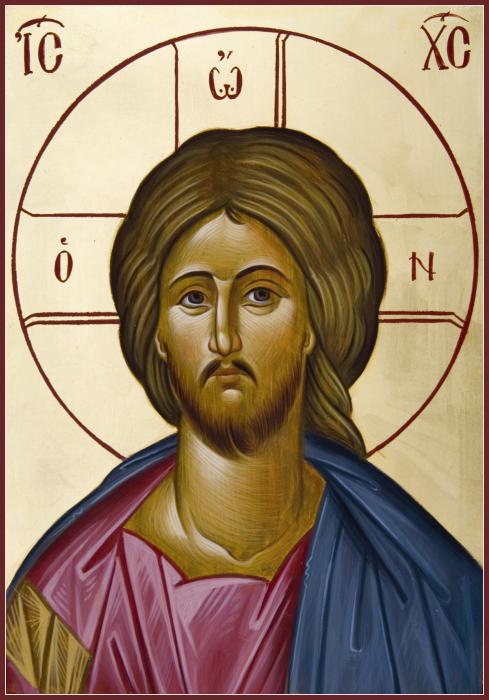
Today I was at the Divine Liturgy with a small contingent from Good Shepherd and it prompted me to write a post explaining the letters which often appear on Christ’s halo:

In iconography, the halos of angels and Saints are typically filled with gold. In icons of Christ, however, there is also a cross superimposed upon the halo. In the icon above, known as the “Pantokrator” (“Almighty”) , you can clearly see this. Only three arms of the cross are visible, each symbolizing a member of the Trinity. Now, at the edge of each arm is a Greek letter:

Ό = The letter “omicron”

ώ = The letter “omega”
Ν = The letter “nu”

Read more

1 120 121 122 123 124 137