A few years ago I went on a pilgrimage to Rome with some friends from Washington DC. We spent a wonderful few days touring the sights and praying in some of the most beautiful churches on earth.
Sadly, this weekend I received a message on Facebook that one of the priests who accompanied us, Fr. Bill Dunn, recently died. A doctor for thirty years before entering the seminary, he was a kind and gentle soul. I hadn’t met him prior to our trip, but he and I had the opportunity to become better acquainted on one of our itinerary-free days in “The Eternal City”. We ended up wandering around the city in a search for the best cappuccino money could buy:
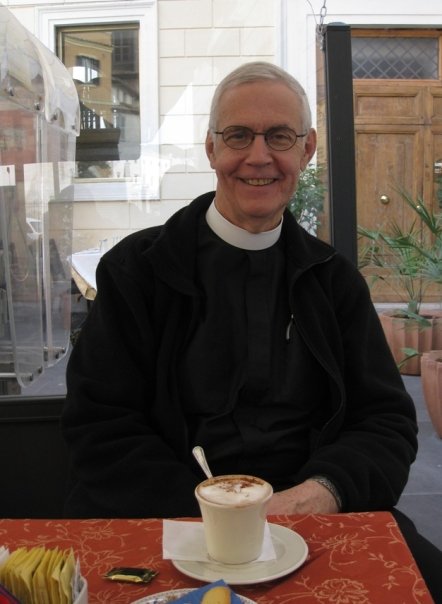
Fr. William Dunn: Rest In Peace
The natural human response at the death of a friend is one of mourning, sadness at being physically parted from a loved one. For the Christian, however, death is not the end. As Christians, we also respond with thanksgiving, praising God for allowing us to share in the life of one who loved the Lord so deeply. Finally, the Catholic also responds with petition, that God will have mercy on our friend’s soul and grant entrance into Heaven. I say it is a Catholic’s natural response but, in truth, I think it is the natural response of every Christian, Catholic or otherwise. We want the best for our loved ones, in this life and the next, so we naturally want to intercede for them in this life and the next.
Read more

 If you’re a Catholic Young Adult living in San Diego, chances are that you’ve been going to Theology On Tap for the last few weeks at The Old Spaghetti Factory in San Marcos.