Why Holy Water?
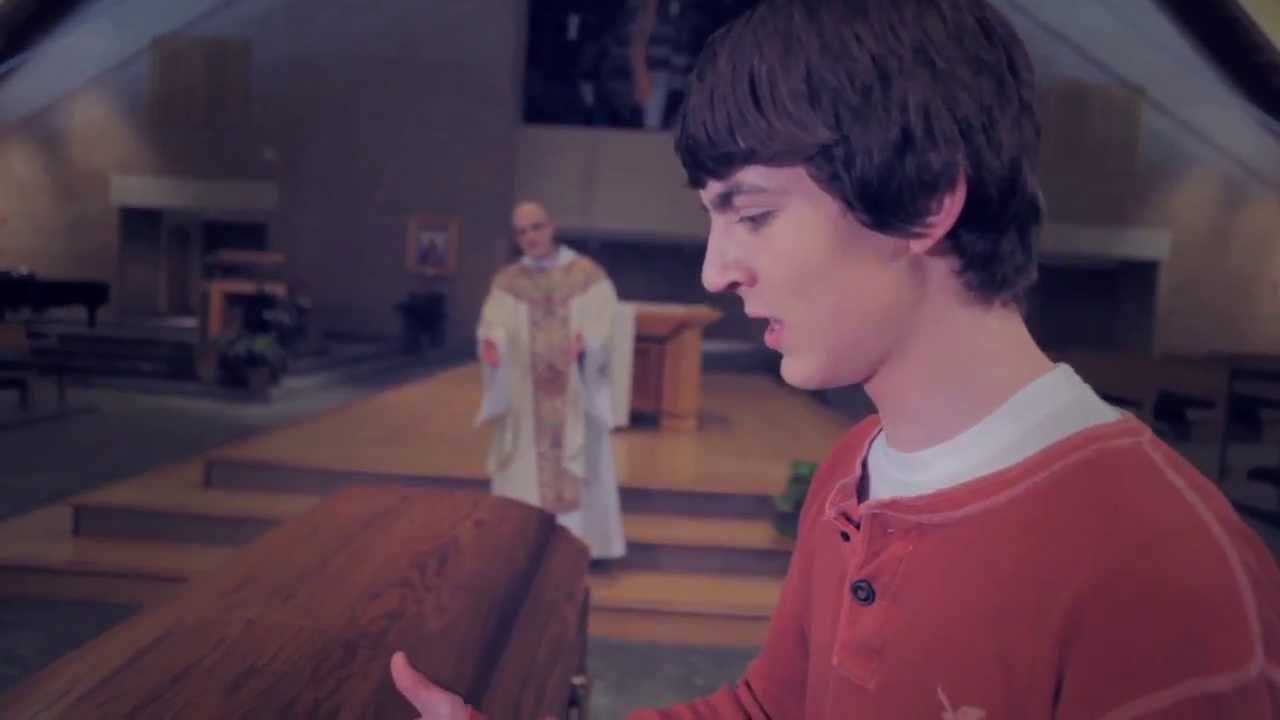 What’s the big deal with Holy Water?
"We are travellers…not yet in our native land" – St. Augustine

What’s the big deal with Holy Water?
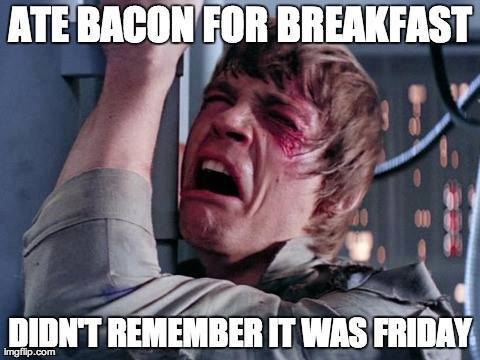
The creation accounts found in the first and second chapters of Genesis are portions of the Bible with which most Catholics are typically pretty familiar. We actually had a portion read at Mass a couple of weeks ago and we’ll hear a further extract at the Easter Vigil in a couple of weeks’ time.
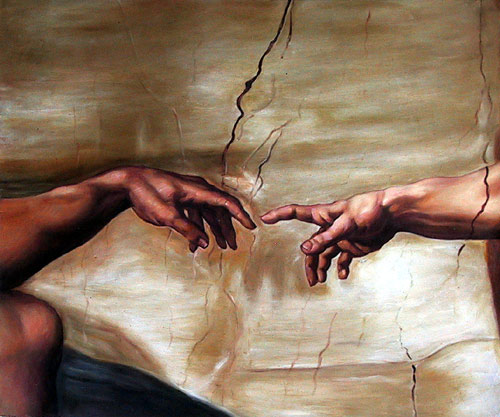
In today’s post I’d like to draw out a few things we learn about Adam in Genesis. In particular, I’d like to look at the five roles essential to Adam’s identity…

We have learnt to take what we want from the buffet of religion
– Mark Hall, Lifestories
I’m really pleased that the media is receptive to Pope Francis, but I am still a bit mystified as to their level of enthusiasm. Pope Francis is certainly more charismatic then Pope Benedict, but he was a shy introverted academic so that’s hardly a surprise! These Popes can’t simply be reduced to soundbites and appearances.
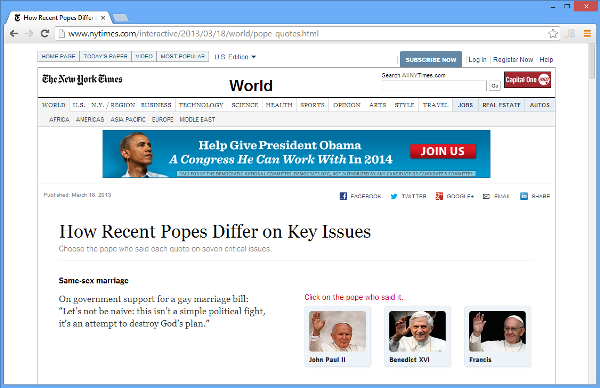
Anyway, if you think you know the last three Popes, I’d invite you to take this quiz form the New York Times where you have to match the quotation to the right Pope…
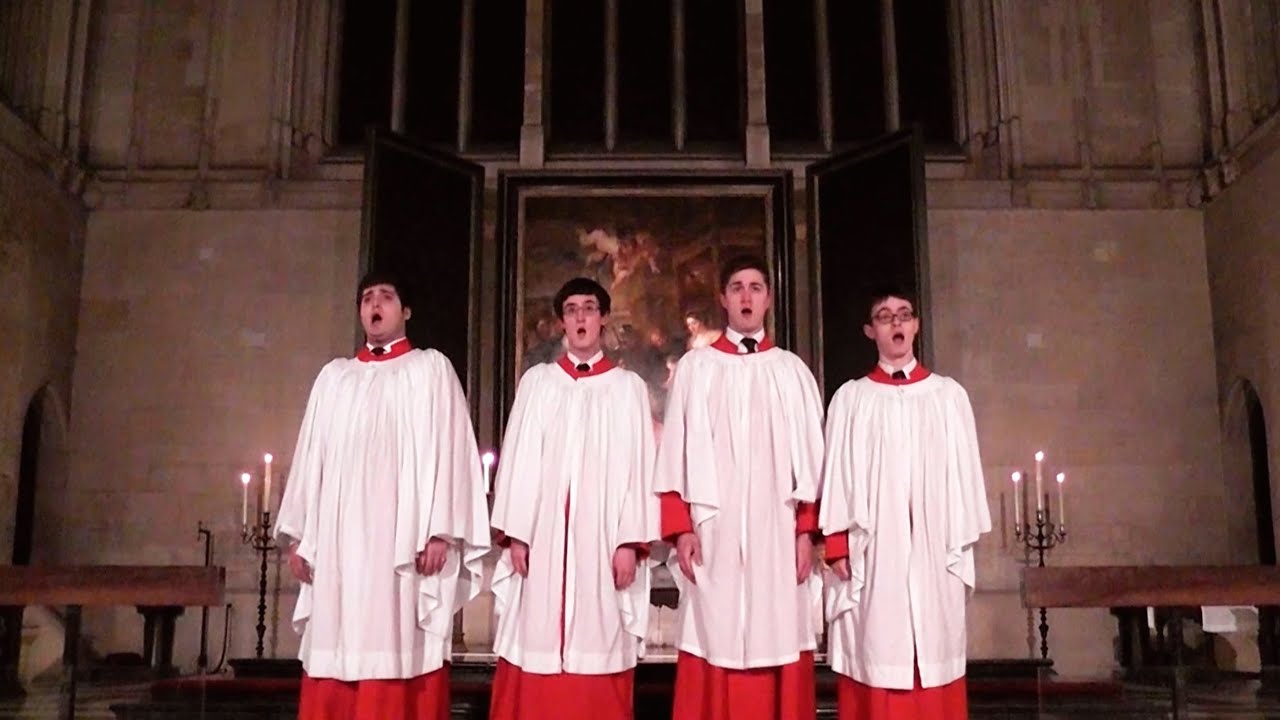
 This week’s video is another one from Kari Jobe, “Steady my heart”:
VERSE 1
Wish it could be easy
Why is life so messy?
Why is pain a part of us?
There are days I feel like
Nothing ever goes right
Sometimes it just hurts so much
PRE-CHORUS
But You’re here
You’re real
I know I can trust You
CHORUS
Even when it hurts
Even when it’s hard
Even when it all just falls apart
I will run to You
‘Cause I know that You are
Lover of my soul
Healer of my scars
You steady my heart [x2]
VERSE 2
I’m not gonna worry
I know that You’ve got me
Right inside the palm of your hand
Each and every moment
What’s good and what gets broken
Happens just the way You plan
BRIDGE
And I will run to You
And find refuge in Your arms
And I will sing to You
‘Cause of everything You are
You steady my heart [x2]