Sunday School: Good, Evil and God
 Have you accepted the modern two story world narrative as your own? What story are you living in?
Our Faith is the greatest love story ever and it’s being written as we speak. It is a story about God and his people, us. We are immersed in it and we have a chance to shape it. It’s a life that leads to union with the creator God and deep, profound happiness. It isn’t a life of hopelessness awaiting a miraculous transformation at the end of time. The immense gift of our Byzantine Faith is lived experience of God here and now transforming, sanctifying, healing the sickness of our fallen humanity. We must tell ourselves, our friends and even someday, perhaps, our children this story.
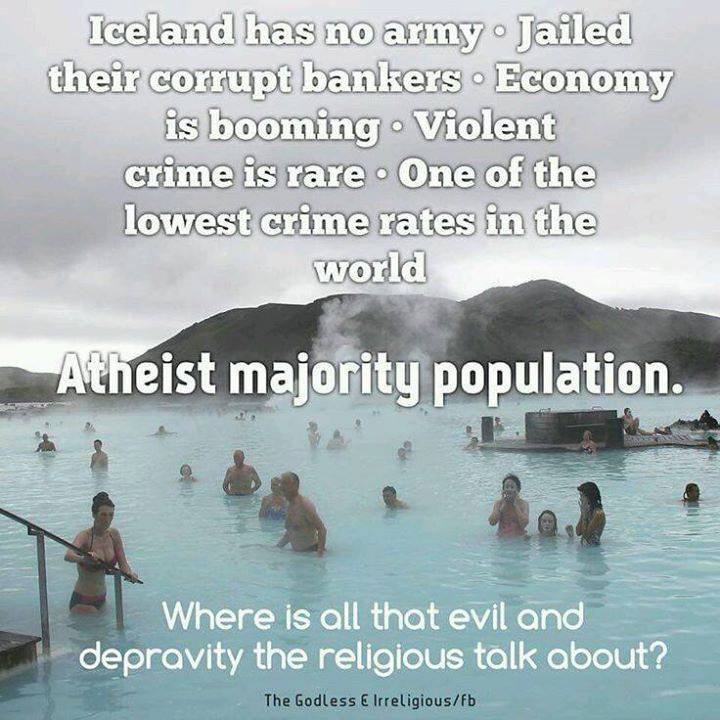
The video for this week starts by posing the question; can we be good, without God? More importantly though, can we know what good is without God?
As the video demonstrates, without God, there is no objective reference point for determining what is moral or immoral. Just as our senses convince us of the reality of the physical world, so our moral sense convinces us that moral values are objectively real. It’s not a matter of preference or opinion.
Some ask; is something good because God wills it, or because God wills it therefore it is good. The reality is good, or moral acts, are characteristics of Gods nature. The more our actions align with them, the more we are becoming like God. As Byzantine Catholics we believe this is much more than an intellectual exercise. We believe that when we “do good” we are actually being transformed toward Christ-like holiness. We can and are participating with God in the act of our own and humanity’s redemption.