Leading a Bible study: Part 3
Continuing the series of posts on Leading a Bible study (Part 1 | Part 2), we finally come to the discussion portion of the Bible study! Here are my suggested Do’s and Don’ts…
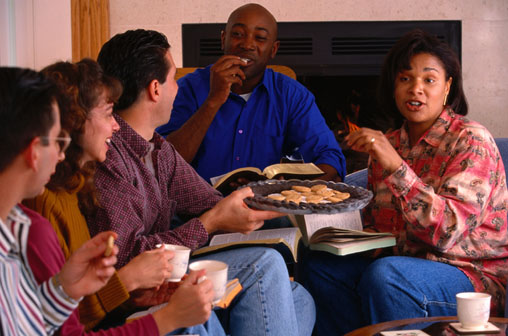
DO: Bring cookies 😉
"We are travellers…not yet in our native land" – St. Augustine
Continuing the series of posts on Leading a Bible study (Part 1 | Part 2), we finally come to the discussion portion of the Bible study! Here are my suggested Do’s and Don’ts…
DO: Bring cookies 😉
Happy Father’s Day! It’s time for a little country tribute…
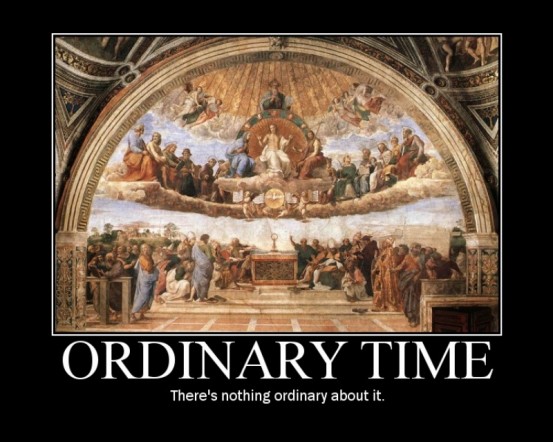
After the feasts and solemnities of recent weeks, we finally return to the regular Sundays in Ordinary Time. For the next few weeks, our New Testament Reading we will come from St. Paul’s Second Letter to the Corinthians and, for the remainder of this year, we will be working sequentially through the Gospel of Mark.
The Readings this week make heavy use of plant imagery. So, dig out your trowel, dust off your gardening gloves and let’s get stuck in!
Earlier this week I posted a list of Do’s and Don’ts for leading Bible study, focusing particularly on the preparation before the group gets together. Today I would like to continue that list, looking at some of the Do’s and Don’ts concerning the start of the meeting itself.
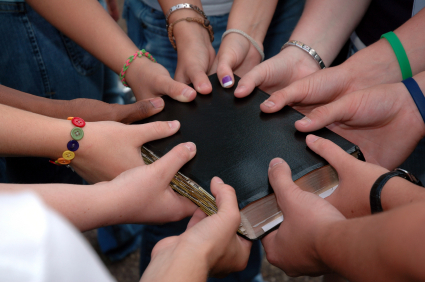
Some people have difficulty sharing during Bible Studies…
I saw someone post this on Facebook and thought it was simply brilliant:
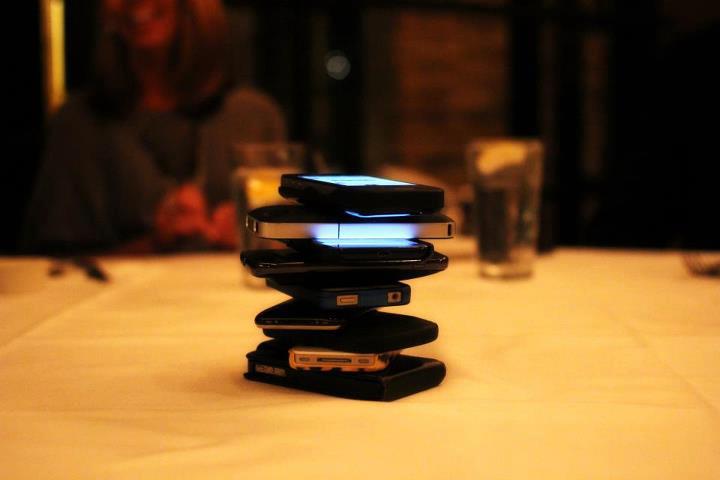
Everyone puts their phones in the middle of the table. Whoever cracks first by touching their phone, pays for the entire meal.
The purpose of the game was to get everyone off their phones, away from twitter, facebook, texting, etc and to encourage conversations. In other words, help cure the “Anti-Social Social Media Craziness”. Here are the rules:
1. The game starts after everyone sits down.
2. Everybody places their phone in the middle of the table.
3. The first person to touch their phone loses the game.
4. Loser of the game pays the bill for everyone’s meal.
5. If the bill comes before anyone has touched their phone, everybody is declared a winner and pays for their own meal.
Are You Game?
This year in the JP2 Group, more and more people have been stepping up to lead Bible study. This has been wonderful, and has brought with it a number of benefits.
Firstly, the variation in leadership has added some real diversity and insight to our Bible study sessions and helped keep the group fresh.
Secondly, in our community we often have people who attend JP2 for some time and then move on to another city. It is my hope that, by having led at JP2, these people will have the confidence at their new parish to support similar ministries or, if such ministries do not exist, then start them!
Finally, as the number of leaders in a group increases, the group becomes more self-sustaining, reducing the pressure on the group’s original leader, thus freeing him or her up to spend more time crocheting and playing the banjo…
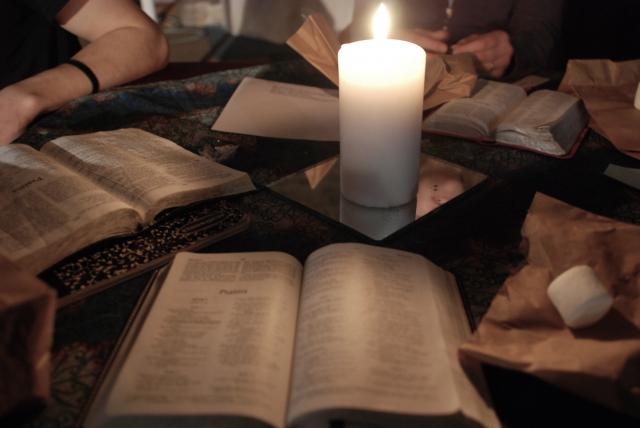
I’ve led Bible studies, in some form or another, since about 2004. In doing so, I’ve made all kinds of mistakes. Seriously, name a mistake, I’ve done it. In fact, not only will I have done it, I’m pretty sure I’d have done it in far more spectacular fashion than you! :-p
Therefore, drawing upon my vast wealth of mistakes, in an effort to help those readers who are also involved in leadership, I’ve compiled a list of Do’s and Don’ts for leading Bible Study.
Life continues to be a bit hectic so I’m afraid these notes will be rather brief again…
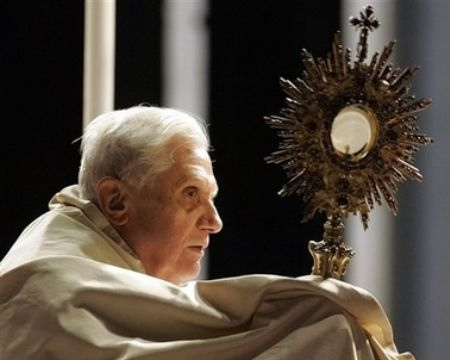
This Sunday is the feast of “Corpus Christi” (Latin for “Body of Christ”), a feast which came about during the 13th Century. Our First Reading describes the institution of the Yahweh’s covenant with Israel through the Patriarch Moses. While instituting the Eucharist in our Gospel Reading, Jesus speaks about a new covenant in His blood. In the Second Reading we hear more about this covenant, brought about through Christ, our great High Priest.
Every time we go to Mass we renew our covenant with the Lord. Let us approach the Eucharist this week mindful of this great covenant, purchased for us by the very blood of Christ.
In all He did from the Incarnation to the Cross, the end Jesus Christ had in mind was the gift of the Eucharist, his personal and corporal union with each Christian through Communion. He saw in It the means of communicating to us all the treasures of His Passion, all the virtues of His Sacred Humanity, and all the merits of His Life. -St. Peter Julian Eymard