Horn/Chadwick Abortion Debate

Last week Trent Horn from Catholic Answers engaged in an abortion debate with Professor Cecili Chadwick. The title of the debate was “Should abortion be legal?”.

The debate was at California State University San Marcos and I managed to attend. In my “Drafts” folder I had begun a short review of the event prepared, but I saw yesterday that the video of the debate was already up on YouTube!

I found Professor Chadwick’s position rather problematic, particularly given what she was willing to admit concerning unborn. I also found it a little frustrating how, in her responses, she regularly presented false dilemmas, as though one cannot be both against poverty AND abortion. But rather than flesh out my review, I’d simply invite you to watch the debate and reach your own conclusions.

Journey Home: Brantly Callaway

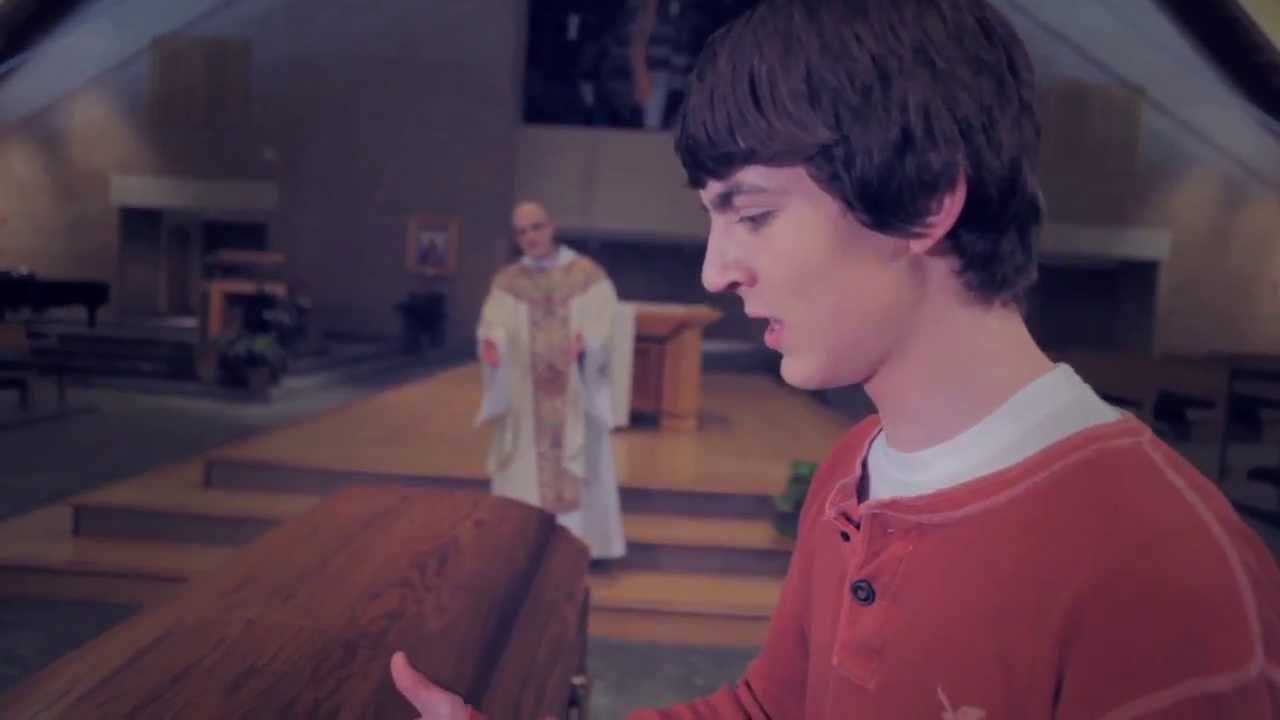
Many of you will have heard of the Coming Home Network, an organization which supports converts and reverts entering the Catholic Church and shares their inspiring stories. A couple of days ago Brantly Callaway was on the show. It’s really good episode, even if Brantly’s three-year old son apparently thought it was “boring”  🙂

Brantly also has a blog. If you didn’t get a chance to read it before, I’d invite you to read the series Brantly wrote with his wife, Krista, entitled Why we’re contraception free. If you’ve ever been puzzled by the Catholic teaching concerning contraception, this is one of the clearest, methodical, yet engaging stories I’ve read.

If you’re in the mood to read even more, Brantly’s article on Total Apostasy really gets to the heart of the claims of groups such as Jehovah Witnesses and Mormons, as well as many Protestants, who claim that there was massive corruption in the Early Church.

Who’s conversion story have you found most inspiring?

St. Thomas Aquinas: Pro-Choice?

A friend of mine recently referred to the book “Good Church, Bad Church” by Tom Kane, a former Catholic priest. I read the synopsis on Amazon and read the extract on the author’s website.  In the extract, a couple came to Kane while he was still a Catholic priest and he counseled them to have an abortion, calling upon St. Thomas Aquinas as justification:

“The great Catholic theologian, Saint Thomas Aquinas, whose theological reasoning is the foundation of Catholic morality, said that a fetus does not contain a soul until several months because there is not enough development yet to hold a soul, so the fetus, Thomas says, is not a person,” I said. “Yet the Vatican and the Vaticans of Protestantism would sacrifice an endless number of lives for a miniscule embryo that resembles an amoeba.”

“But the fetus has life,” he said.

“Yes, but what kind of life? Plant life? Animal life?” I said. “A fetus has a very primitive form of life—not yet a human life.”

AquinasInTheLouvre

Read more

In The Beginning: When God builds a house…

In Bible study we’re currently doing a whistle-stop tour of the Bible. Last week we looked at the opening verses of Genesis. It often goes unnoticed what God is actually doing in the account of creation found in the opening verses. Today I’d like to do a short post covering the first part of our discussion and speak about the literary structure of the first chapter of Genesis.

Chaos

In Chapter 1, verse 2, after affirming that “God created the heavens and the earth”, the author says that “the earth was formless and void(Hebrew: “tohu wabohu”). The rest of the chapter sets about explaining how God solved both of these problems…

Read more

Serenading Our Lady

In Catholic devotion, there are many songs addressed to Mary, such as the Regina Coeli and the Salve Regina. However, it may surprise you to know that the oldest text we have for a Marian hymn comes from about AD 250 written in Greek, preceding the Hail Mary by several centuries. I mention it today because this hymn is often sung at the end of evening prayer in Eastern Christianity during Lent. The hymn is known as “Beneath thy compassion”  and was used in the liturgy around Christmas time.

Beneath your compassion we take refuge, Theotokos!
Our prayers, do not despise necessities,
but from danger deliver us, only pure, only blessed one.

What is particularly significant is that the text refers to Mary by the Greek title of “Theotokos”, which in English means “God bearer”, the name so objectionable to Nestorius, but which was later affirmed by the Council of Ephesus in AD 431.

Mary

Read more

1 190 191 192 193 194 321