Colossian Questions
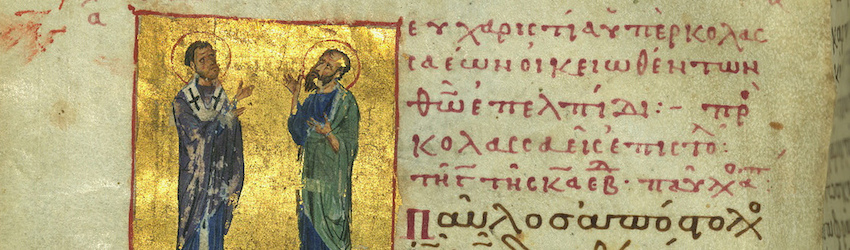
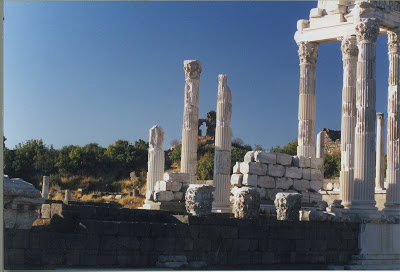 As I mentioned before, I’m currently updating the New Testament questions and answers which I run through at the beginning of every Bible study. Today I’d like to cover the questions surrounding Colossians:
58. What was Paul’s situation when writing Colossians?
The evidence seems to point to the same situation as the other captivity epistles (Ephesians, Colossians, Philemon and Philippians). He is in Rome under house arrest in approximately AD 62.
59. Had Paul ever been to Colossae?
No, but he had stayed in nearby Ephesus for three years.
60. Who founded the Church at Colossae?
A Colossian native called “Epaphras” appears to have been converted through Paul’s ministry and first taken the gospel to Colossae.
61. So why did Paul write to the Colossians?
It seems Epaphras visited Paul in Rome and asked him to write to this nascent congregation to speak to the various heresies attacking the Church in Colossae.
62. What were the heresies with which the Colossians struggled?
They appear to be several, but they included issues surrounding circumcision, asceticism, the person of Christ, secret knowledge and human wisdom.
63. Who are the opponents in Colossae?
This very much depends on how one interprets the heresies described, but scholars suggest either Jews, Pagans or early Gnostics.
64. What is noticeable about the way in which Paul speaks about Jesus in this letter?
We call it “High Christology”, since Jesus is described as “the image of the invisible God”, “the firstborn of all Creation”, “in him the fullness of deity dwells bodily” etc.
65. What does Paul say about suffering in this letter?
He describes himself as “complete what is lacking in Christ’s afflictions”.
66. During the letter Paul speaks about a hidden “mystery”. What is it?
That Jesus came for us…all of us, both Jew and Gentile
67. What Sacrament does Paul speak about in this letter and in what terms does he describe it?
He speaks about baptism, describing it both in terms of circumcision and death.
1-16 | 17-27 | 27-42 | 43-52 | 53-57 | 58-67 | 68-71 | 72-81
All Questions
 A while ago, I listed the
 In the previous episode we read all of Paul’s accolades and achievements. In today’s text he speaks about how he now views them since coming to Christ…