Big Day for The Eagle and Child Podcast…
Details coming soon…
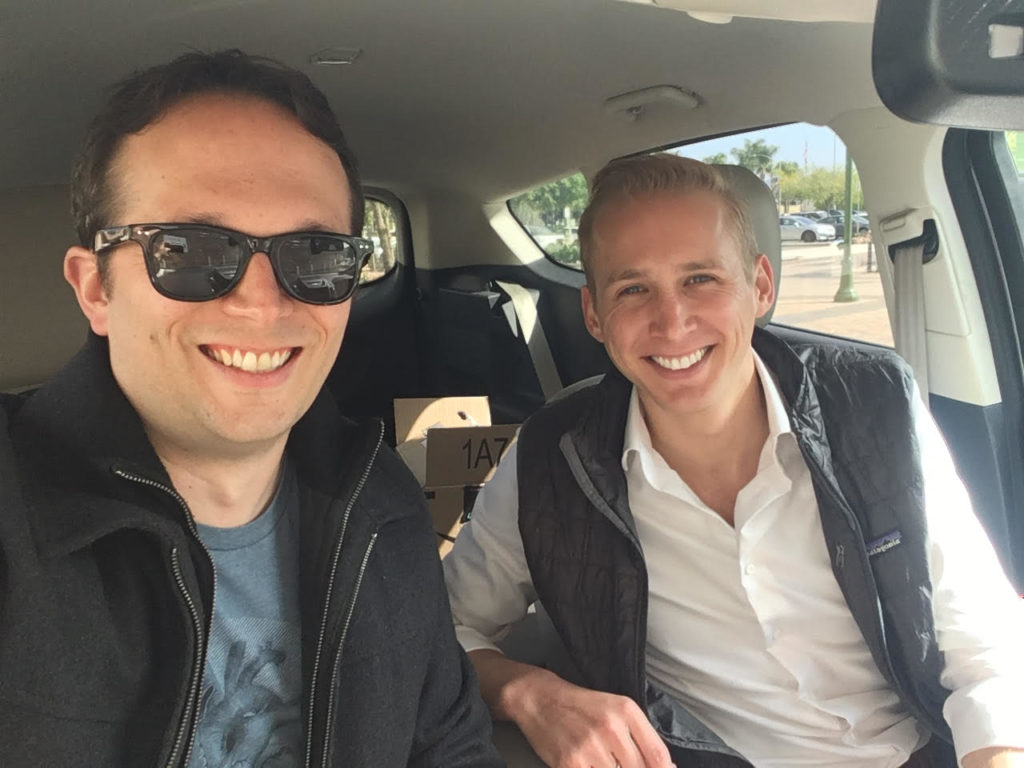
"We are travellers…not yet in our native land" – St. Augustine
Details coming soon…
This made me smile. I’ve been a fan of Sister Vassa for long time…
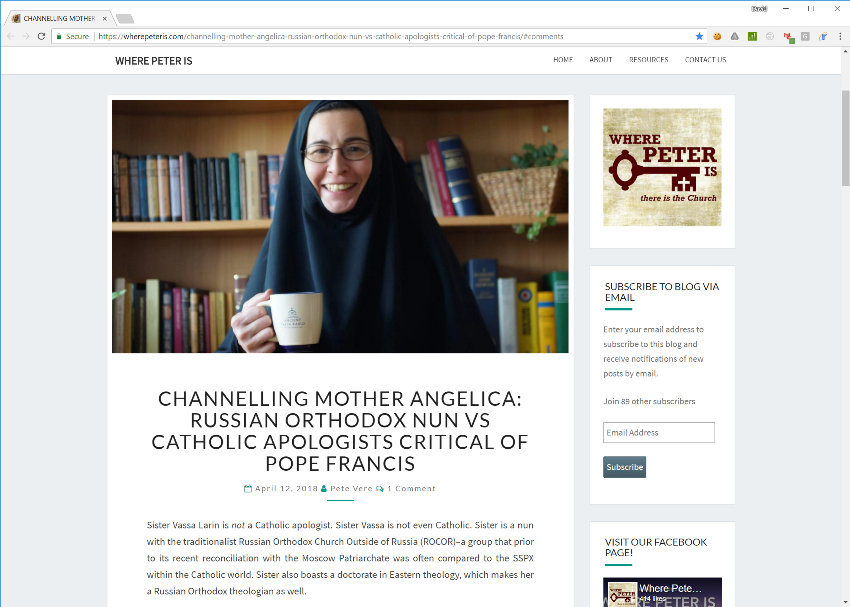

(But not on Fridays, of course!)
Things have been very busy here recently. Matt and I have been working very hard on a new project…
Details to follow in the next couple of weeks!
Today seems the perfect date for this quotation…
“A woman’s heart should be so hidden in God that a man has to seek Him just to find her”
– Max Lucado
 My favourite Contemporary Christian Band, Casting Crowns, had fallen off my radar for quite some time, but it turns out that they have been busy putting out new albums, so you can expect the new few Mondays to showcase their work. Today’s song is “Oh my soul”…
Oh, my soul
Oh, how you worry
Oh, how you’re weary, from fearing you lost control
This was the one thing, you didn’t see coming
And no one would blame you, though
If you cried in private
If you tried to hide it away, so no one knows
No one will see, if you stop believing
Oh, my soul
You are not alone
There’s a place where fear has to face the God you know
One more day, He will make a way
Let Him show you how, you can lay this down
‘Cause you’re not alone
Here and now
You can be honest
I won’t try to promise that someday it all works out
‘Cause this is the valley
And even now, He is breathing on your dry bones
And there will be dancing
There will be beauty where beauty was ash and stone
This much I know
Oh, my soul
You are not alone
There’s a place where fear has to face the God you know
One more day, He will make a way
Let Him show you how, you can lay this down
I’m not strong enough, I can’t take anymore
(You can lay it down, you can lay it down)
And my shipwrecked faith will never get me to shore
(You can lay it down, you can lay it down)
Can He find me here
Can He keep me from going under
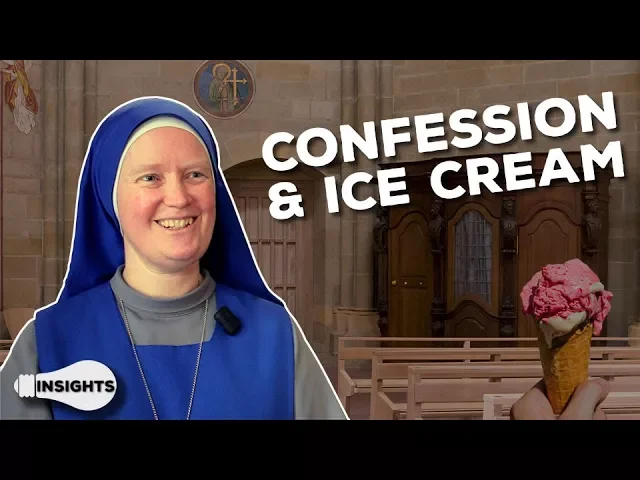 I’ve been saying this for years… More confession, more ice-cream!