Video Series: Misunderstanding Love

"We are travellers…not yet in our native land" – St. Augustine
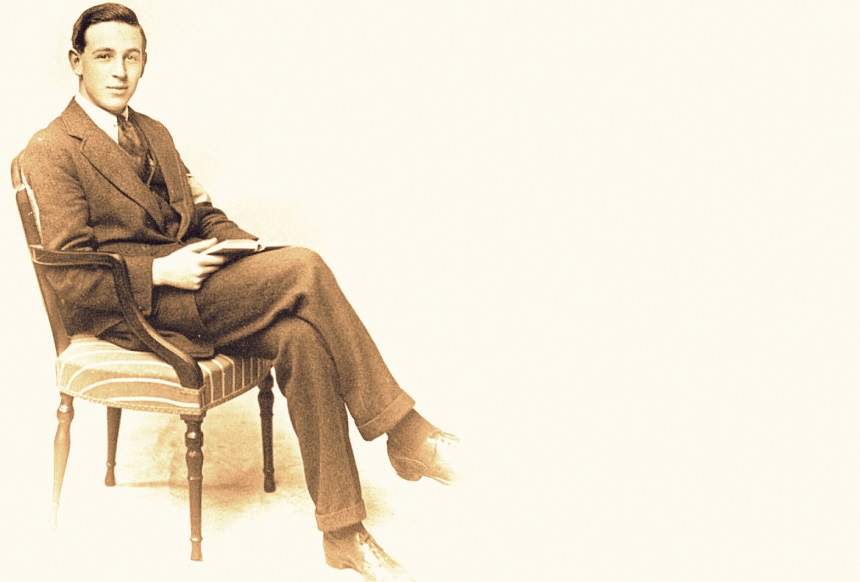
By the bye, what are your views, now, on the question of sacraments? To me that is the most puzzling side of the whole thing. I need hardly say I feel none of the materialistic difficulties: but I feel strongly just the opposite ones—i.e., I see (or think I see) so well a sense in which all wine is the blood of God—or all matter, even, the body of God, that I stumble at the apparently special sense in which this is claimed for the Host when consecrated. George Macdonald observes that the good man should aim at reaching the state of mind in which all meals are sacraments. Now that is the sort of thing I can understand: but I find no connection between it and the explicit “sacrament” proprement dit [“properly so called”]. The Presbyterian method of sitting at tables munching actual slices of bread is clearly absurd under ordinary conditions: but one can conceive a state of society in which a real meal might be shared by a congregation in such a way as to be a sacrament without ceasing to be also their actual dinner for that day. Possibly this was so in the very early Church.
– C.S. Lewis, The Collected Letters of C.S. Lewis, Volume II

I have shared this song before, but I recently came across a lyric video version of it that I thought was worth sharing. This is “Only Jesus” by Casting Crowns:
Make it count, leave a mark, build a name for yourself
Dream your dreams, chase your heart, above all else
Make a name the world remembers
But all an empty world can sell is empty dreams
I got lost in the light but it was up to me
To make a name the world remembers
But Jesus is the only name to remember
And I, I don’t want to leave a legacy
I don’t care if they remember me
Only Jesus
And I, I’ve only got one life to live
I’ll let every second point to Him
Only Jesus
All the kingdoms built, all the trophies won
Will crumble into dust when it’s said and done
‘Cause all that really matters
Did I live the truth to the ones I love
Was my life the proof that there is only One
Whose name will last forever
Jesus is the only name x2
Jesus is the only name to remember
Jesus is the only name x2
Jesus is the only name to remember
Jesus is the only name to remember
I don’t want to leave a legacy
I don’t care if they remember me
Only Jesus
Only Jesus
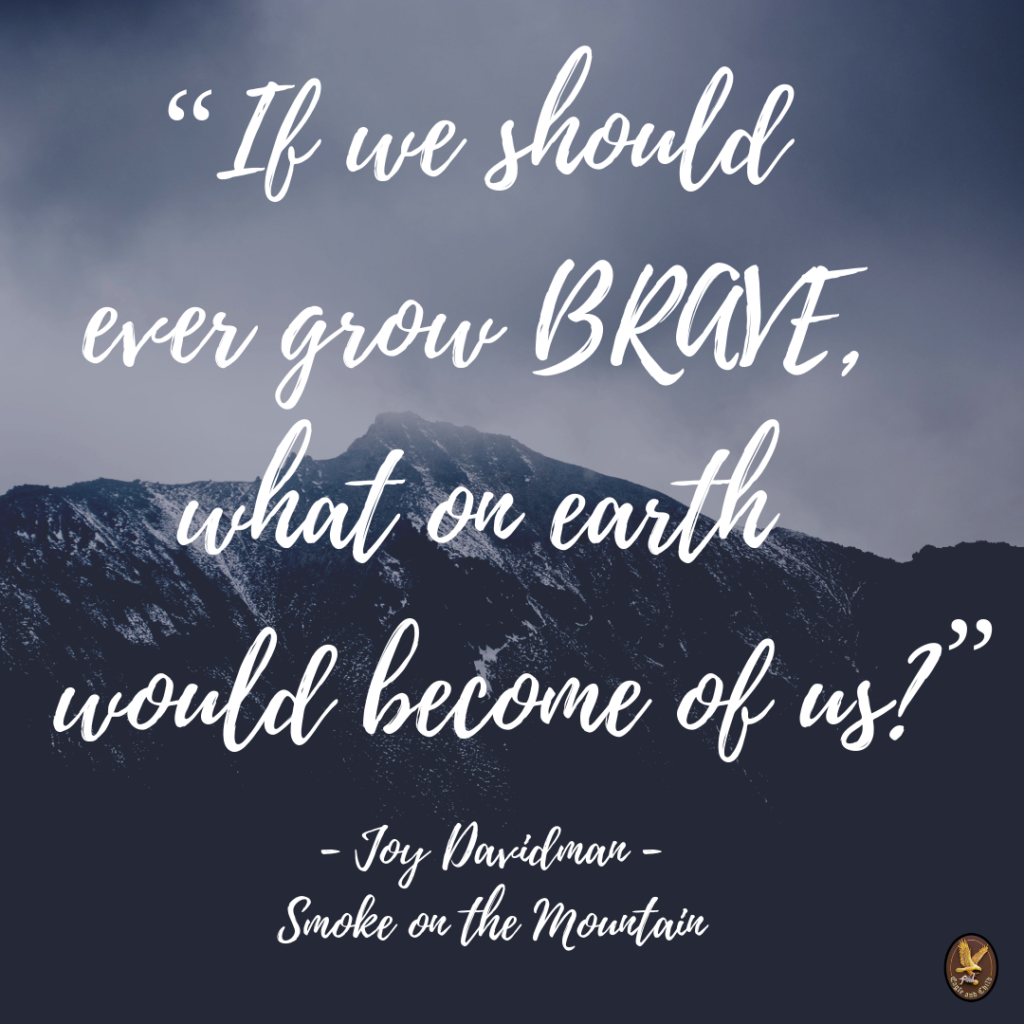
Earlier this week I shared a quotation from Joy Davidman. I also made a graphic for it:

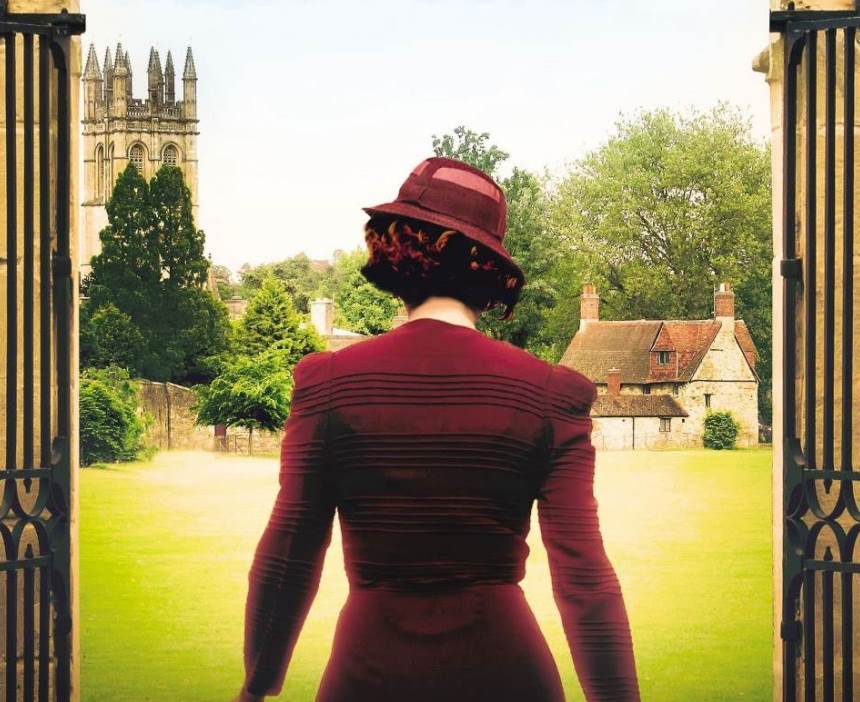
Yesterday I interviewed Patti Callahan about her latest book, Becoming Mrs Lewis. The interview will be being posted next week, but until then, I thought you might enjoy this videos which were recorded to promote the book. In them, Patti talks about Oxford, the Kilns and Lewis’ relationship with Joy Davidman.